Floor Rise Charge Explained | What It Means and How It Works

Featured Image of Floor Rise Charge Explained | What It Means and How It Works


A floor rise charge is an extra fee builders add when you buy a flat on a higher floor. Builders pick a base floor, often the ground or 5th floor, where no extra fee applies. Every floor above that base adds a small charge per square foot. This charge exists because higher floors give you better views, more light, and less street noise. This page shows you exactly how the charge works, how to calculate it, and what it means for a Brigade Granada purchase.


How Floor Rise Charges Work


A builder's price list always quotes the rate for the base floor first. The moment you pick a flat above that floor, the builder adds a vertical charge on top.

Here is the process in three simple steps.

  • Base Floor: The builder sets a starting floor, often the ground, 1st, or 5th floor. Flats at or below this floor carry no floor rise charge.
  • Per Floor Increase: For every floor above the base, the builder adds a fixed rate, usually Rs 50 to Rs 100 per sq ft.
  • Total Extra Cost: This rate looks small at first. But once you multiply it by your flat size and floor height, it can add several lakhs to your final price.

How to Calculate Your Floor Rise Charge


You need three numbers from your cost sheet to work out your own floor rise charge.

  • Base floor, for example the 5th floor
  • Your chosen floor, for example the 12th floor
  • Rate per sq ft per floor, for example Rs 50

The formula is simple: Total Floor Rise Charge = (Your Floor minus Base Floor) x Rate per Floor x Flat Area.

Here is a worked example for a 1,200 sq ft flat on the 12th floor, with a Rs 50 rate above the 5th floor base.

Calculation Step Value
Flat Area 1,200 sq ft
Chosen Floor 12th Floor
Base Floor 5th Floor
Floors Charged 12 minus 5 = 7
Rate per Sq Ft per Floor Rs 50
Total Rate Increase 7 x Rs 50 = Rs 350 per sq ft
Total Extra Cost Rs 350 x 1,200 = Rs 4,20,000

This buyer pays Rs 4,20,000 extra, on top of the flat's base price, just for the floor.

Why Builders Charge More for Higher Floors


Higher floors offer real, daily benefits. Most buyers are willing to pay for these.

  • Better light and air: Upper floors get more sunlight and a steady breeze, which can lower your electricity use.
  • Less noise and dust: Higher floors sit well above street traffic, so you get a quieter home.

  • Open views: You look out over trees, water bodies, or the skyline, instead of straight into the next building.
  • More privacy, fewer pests: People at ground level cannot see into your home, and you deal with far fewer mosquitoes.
  • Stronger resale value: Upper floors stay in demand, so they tend to sell faster and rent for more.

Floor Rise Charge vs PLC: What Is the Difference


Buyers often mix up Floor Rise Charge and Preferential Location Charge, or PLC. They are not the same thing.

Feature Floor Rise Charge (FRC) Preferential Location Charge (PLC)
Direction Vertical, based on floor height Horizontal, based on facing or view
Reason Your floor number Features like a pool view, park view, or corner unit
Price Pattern Increases floor by floor Fixed amount for that specific unit
Stacking Applied once, based on height Can combine, for example a park-facing corner unit pays PLC twice

A flat can carry both charges at once. A high floor with a park-facing corner unit pays floor rise for its height and PLC for its position.

Floor Rise Charges at Brigade Granada


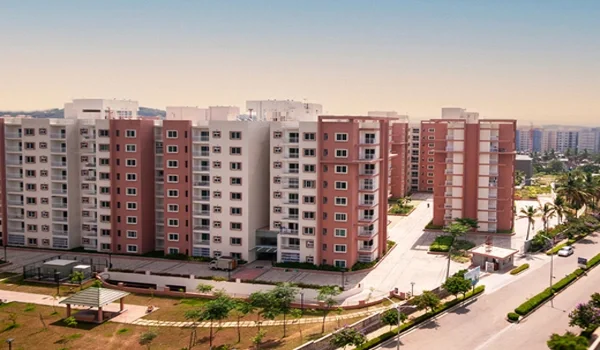
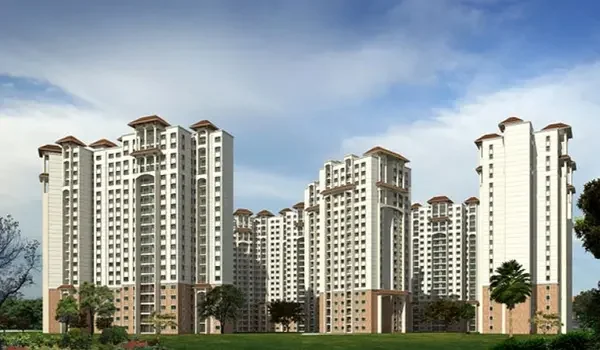
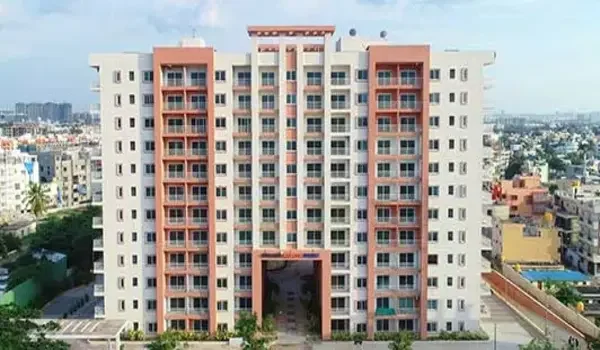
Brigade Granada follows the same structure as most large Bangalore townships. The base floor sits at the 5th floor, and every floor from the 6th floor upward carries a floor rise charge of Rs 50 per sq ft per floor.

Take a 1,200 sq ft 2.5 BHK on the 10th floor as an example. That is 5 floors above the base, so the charge works out to 5 x Rs 50 x 1,200, which comes to Rs 3,00,000 extra over the base price.

Brigade Granada's current pre-launch rate stands at Rs 12,083 per sq ft, valid ahead of the official launch. Floor rise, PLC, GST, stamp duty, and registration all sit outside this base rate. Always ask the sales team for the full cost sheet before you book, so you see the complete number, not just the headline price.

How to Pay Less in Floor Rise Charges


A few simple choices can bring your floor rise cost down without giving up much comfort.

  • Pick a middle floor: A flat between the 6th and 10th floor gives you good light and quiet, without the steepest charges near the top.
  • Book during pre-launch: Builders often cap or discount floor rise rates during early sales phases.
  • Negotiate the extras: Base prices rarely move, but builder are often more flexible on floor rise and PLC.
  • Watch for festive offers: Some builders run "zero floor rise" promotions during festival seasons, letting you buy a high floor at base floor pricing.

Know Your Full Price Before You Book


Floor rise charges are a normal, standard part of any high-rise purchase, not a hidden trick. Once you understand how the calculation works, you can compare floors with real numbers instead of guesswork. Ask for the complete Brigade Granada cost sheet before you finalise your unit, so your base price, floor rise, and every other charge sit in front of you clearly.

FAQs


1. What is a floor rise charge in simple words?

A floor rise charge is an extra fee per square foot that builders charge for flats on higher floors. You pay this amount for the better light, views and quiet that higher floors offer.

2. Is the floor rise charge included in the basic flat price?

No. The basic price you see on a builder's price list covers only the base floor rate. Floor rise charges get added separately, based on how many floors above the base floor your flat sits.

3. Can I negotiate floor rise charges with the builder?

Often, yes. Builders rarely move on the base price, but floor rise and PLC charges have more room for discussion, especially during pre-launch phases or festive offer periods.

4. From which floor does the floor rise charge start?

This varies by project. At Brigade Granada, the base floor is the 5th floor, so floor rise charges apply from the 6th floor upward, at Rs 50 per sq ft per floor.

5. Will home loans cover the floor rise charge?

Usually, yes, since banks calculate your loan on the full agreement value, which typically includes floor rise charges. Confirm this with your specific lender, since policies can vary between banks.

6. Is it a good idea to pay extra for higher floors?

It depends on your priority. If you value light, quiet, and resale value, the extra cost often pays off. If budget matters more, a mid-level floor gives you a good balance without the steepest charges.

7. Do ready-to-move-in flats also have floor rise charges?

Yes, in most cases. Floor rise pricing gets fixed early in a project and stays part of the units cost structure, whether you buy during pre-launch or after the building is ready.

Enquiry
Enquire Now