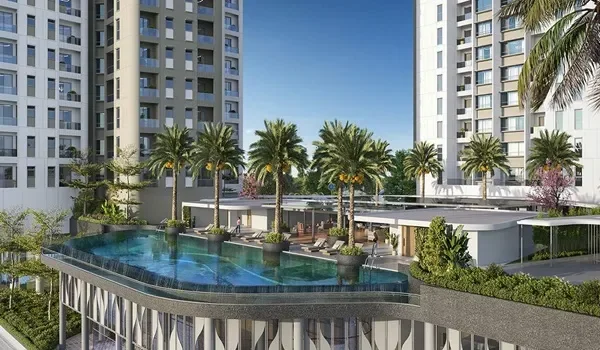
Eco Friendly Apartment Features and Green Building Certifications
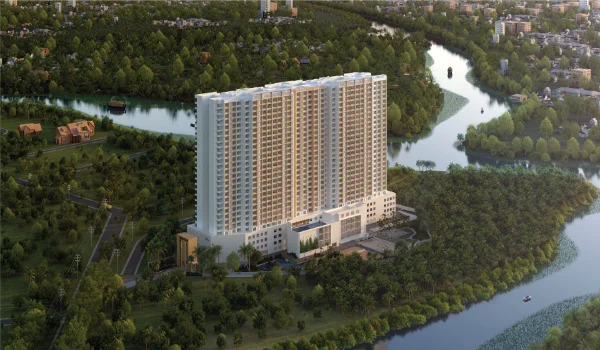
Featured Image of Eco Friendly Apartment Features and Green Building Certifications


Eco-friendly apartments use solar power, rainwater harvesting, sewage treatment plants, low-flow taps, LED lighting, natural ventilation, waste segregation and EV charging to reduce daily use of water and electricity. A well-planned green home can cut energy use by about 20% to 30% and water use by around 30% to 50%. These savings can lower common-area costs and reduce pressure on city water and power systems.

Green building certifications help buyers check whether these features are actually planned and measured. In India, the main systems are IGBC Green Homes, GRIHA and LEED. IGBC Green Homes gives ratings from Certified to Platinum, while GRIHA and LEED also study energy, water, materials, indoor comfort and overall environmental impact.
Main Eco-Friendly Features in Apartments


A good eco-friendly apartment should manage power, water, waste and indoor comfort together. Solar panels can support common-area power, while rainwater harvesting and STPs reduce fresh water use. LED lights, efficient pumps and better ventilation can lower electricity demand. Waste segregation and composting also reduce the amount of waste sent outside the community.

Eco-Friendly Feature Main Use Buyer Benefit
Solar Power Common-area electricity Lower power use
Rainwater Harvesting Stores or recharges rainwater Reduces water demand
Sewage Treatment Plant Treats used water Supports water reuse
Low-Flow Fixtures Reduces tap and shower flow Saves water
LED Lighting Uses less power Lower common-area bills
Natural Ventilation Improves airflow Less cooling demand
Low-VOC Paints Reduces indoor pollutants Better indoor air
Waste Segregation Separates wet and dry waste Easier recycling
Organic Waste Converter Makes compost from food waste Lower landfill waste
EV Charging Supports electric cars Future-ready parking
Native Landscaping Needs less water Lower landscape use

A project should not be called green only because it has trees or a garden. Buyers should check measurable systems such as solar capacity, STP size, rainwater storage, EV points and water reuse before trusting a sustainability claim.

Solar Power in Eco-Friendly Apartments


Solar power is mainly used for clubhouses, streetlights, pumps, corridors and other common areas. This reduces the amount of grid electricity used by the project and can lower the common-area power cost paid through maintenance.

Some Brigade projects already use solar systems at scale. Brigade Gateway, for example, has a rooftop solar system of about 354.3 kW. For buyers, the key question is simple: how much solar power is planned, where will it be used, and how much of the common load will it cover?

Rainwater Harvesting and Water Recycling


Water is one of the biggest concerns in Bangalore apartments. A good project should have rainwater harvesting, an STP, treated-water reuse and low-flow plumbing fixtures. These systems reduce the need for fresh water and help reuse water for gardens, flushing or other approved purposes.

Green homes can save around 30% to 50% of water when these systems are planned well. Buyers should ask for the STP capacity, rainwater storage or recharge system, and the exact areas where treated water will be reused.

Natural Light and Ventilation


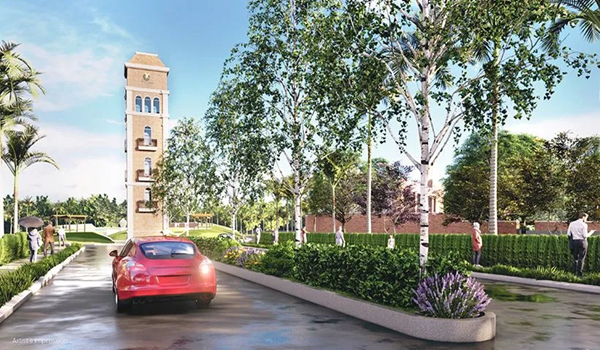
Natural light and airflow can reduce the need for lights and air-conditioning during the day. Good tower spacing, larger windows, open balconies and cross ventilation can make rooms brighter and cooler.

This also improves indoor comfort. Bedrooms and living rooms with better daylight need less artificial lighting, while proper airflow can reduce heat build-up. Green rating systems also check indoor environmental quality, not just energy and water.

Energy-Efficient Lighting and Equipment


Eco-friendly apartments use LED lights, energy-efficient pumps, lift systems, timers and motion sensors in common areas. These features reduce power use in basements, corridors, clubhouses and landscape zones.

The saving may look small at one point, but it becomes important across a large apartment community. In a project with hundreds or thousands of homes, lower common-area power use can reduce the monthly maintenance burden over time.

Eco-Friendly Construction Materials


Green buildings also focus on the materials used during construction. Common options include low-VOC paints, recycled-content materials, responsibly sourced products and precast construction.

Low-VOC paints help reduce indoor air pollutants. Precast construction can reduce material waste and improve site control. Recycled or locally sourced materials can also reduce the environmental impact of construction.

Waste Management in Green Apartments


A green apartment should have a proper system for wet waste, dry waste and recyclable waste. This makes daily waste handling easier and reduces the amount sent to landfills.

Many large communities also use an Organic Waste Converter. Food waste and garden waste can be converted into compost and reused for landscaping. Buyers should check whether waste segregation is only planned on paper or supported by proper collection and processing areas.

EV Charging in Apartments


EV charging is becoming an important feature in new apartment projects. A future-ready community should plan the electrical load, charging points and parking access before residents move in.

Buyers should check how many EV points are provided and whether extra points can be added later. This is important because adding new electrical capacity after full occupancy can be more difficult and expensive.

IGBC Green Homes Certification


IGBC Green Homes is one of the main residential green rating systems in India. It applies to individual homes, gated communities and high-rise apartment projects.

The rating checks six main areas: site planning, water conservation, energy use, materials, A project must meet the mandatory requirements before it can earn the final rating. A higher score means the project has met more green-building standards.

GRIHA Green Building Rating


GRIHA stands for Green Rating for Integrated Habitat Assessment. It is an Indian green building system designed for local climate, construction and energy conditions.

Large residential developments can use the GRIHA system to measure site planning, energy use, water use, construction materials and environmental impact. This makes it useful for apartment townships and large gated communities.
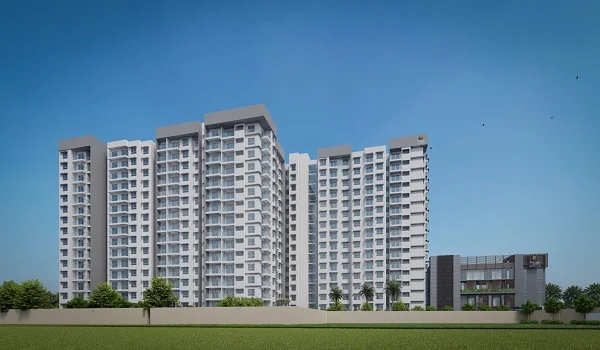
For buyers, the important point is to check whether the project is only “designed as per GRIHA” or has actually received a certified rating.

LEED Certification


LEED stands for Leadership in Energy and Environmental Design. It is an international rating system used for residential, office and mixed-use buildings.

LEED checks energy, water, materials, indoor air quality and sustainable site planning. Like IGBC and GRIHA, it has different rating levels.

A developer saying that a project “follows LEED ideas” is not the same as holding a final LEED certificate. Buyers should ask for the certification level and registration details.

Green Features in Brigade Projects


Brigade Group has used green-building systems across several developments. The company reports 14.8 million sq. ft. of green-certified space, more than 1 lakh trees planted and 100% use of treated wastewater for landscaping across its sustainability work.
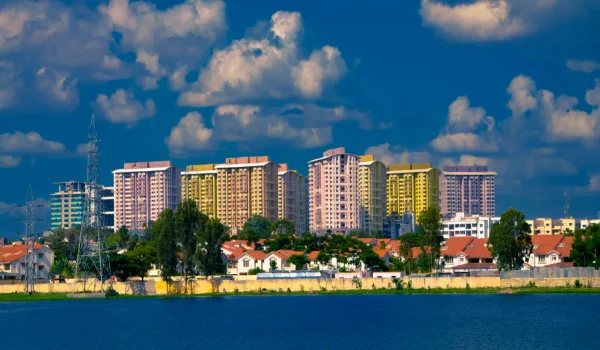
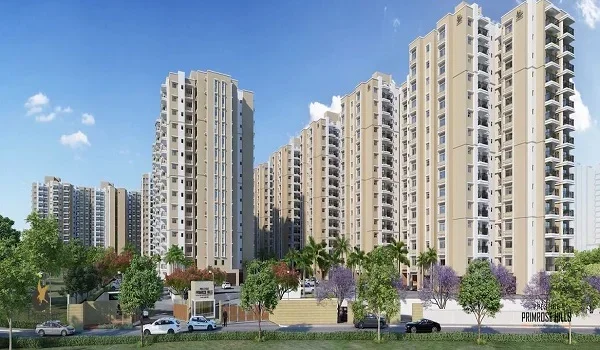
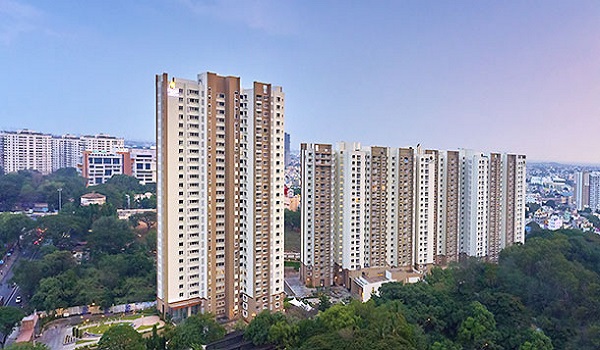
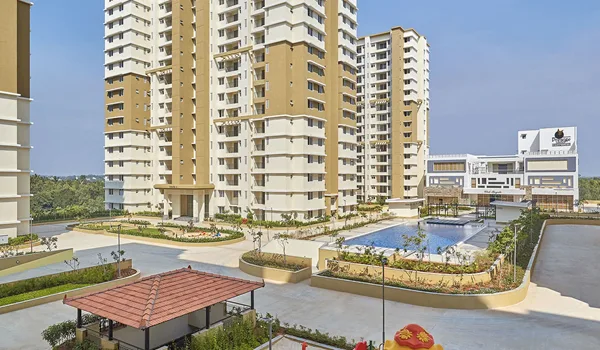
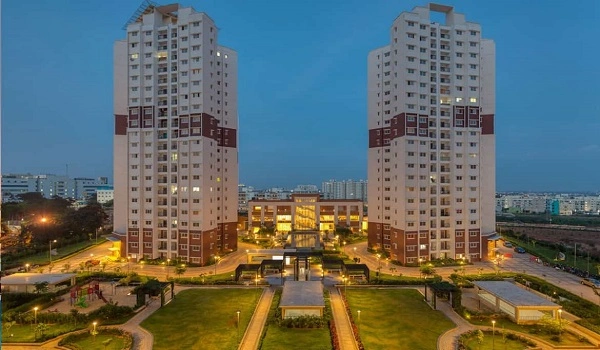
Some Brigade projects already show these systems in practice. Brigade Gateway has a 354.3 kW rooftop solar system, while Brigade Cornerstone Utopia has achieved IGBC Platinum certification. Brigade has also promoted projects with low-VOC paints, water reuse, waste management and energy-saving systems.

Best Upcoming Brigade Township with Green Planning – Brigade Granada


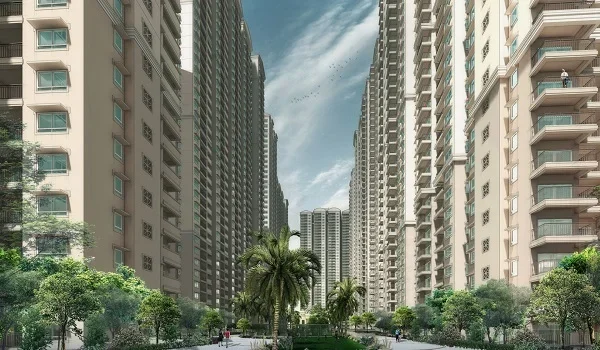
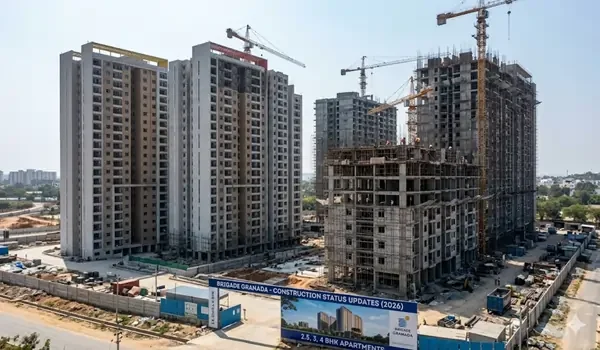
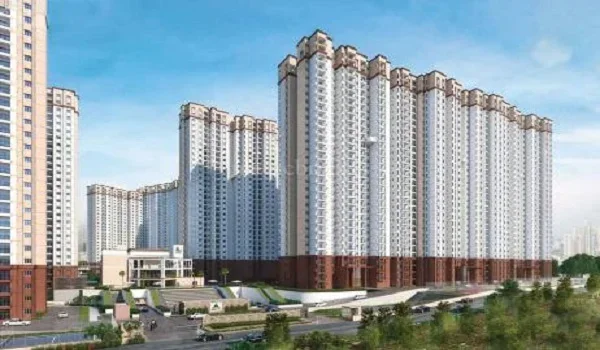
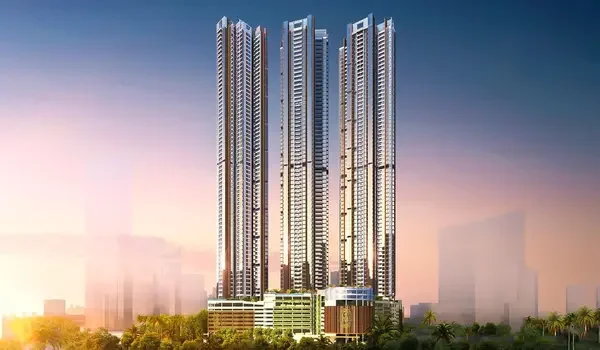
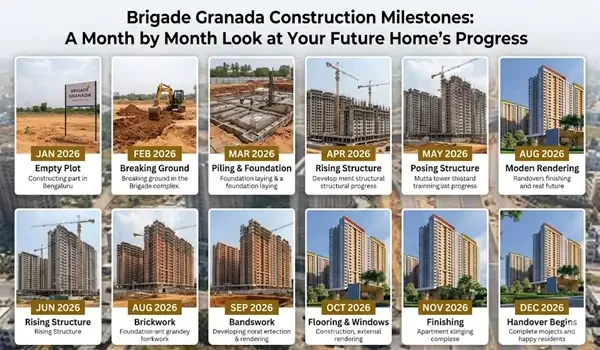
Brigade Granada is one of the major upcoming Brigade townships where green planning can add strong buyer value. It is located on Whitefield–Hoskote Road at Sannatammanahalli, East Bangalore. The project is planned across 40+ acres, with residential towers rising up to 55 floors.

The township offers 1, 2, 3 and 4 BHK homes from about 600 to 2,800 sq. ft. It also includes landscaped open areas, a 35-floor office tower, a 400-key hotel, retail spaces, a school and a hospital. This large mixed-use format gives more scope for planned water, waste, energy and landscape systems.

However, Brigade Granada is still in the pre-launch stage. Buyers should not assume that it already has an IGBC, GRIHA or LEED rating. The final green certification, solar capacity, STP size, rainwater system and EV plan should be checked after the approved project documents are released.

How to Check If an Apartment Is Really Eco-Friendly


Buyers should check numbers, not only marketing words. A proper green project should clearly show how it saves water, power and other resources.

Before booking, check the following:

  • IGBC, GRIHA or LEED certification
  • Final rating level
  • Solar power capacity
  • STP capacity
  • Rainwater harvesting plan
  • Treated-water reuse
  • Low-flow plumbing fixtures
  • EV charging points
  • Waste segregation system
  • Organic waste converter
  • Open-space percentage
  • Low-VOC materials
  • Native landscaping

These details make it easier to compare two projects. A project with a clear STP capacity, solar output and certified green rating is stronger than one that only uses words such as “eco-friendly” or “sustainable”.

Are Eco-Friendly Apartments Worth Buying?


Yes, eco-friendly apartments can be useful for both end users and long-term buyers. A good green home can save around 20% to 30% in energy use and 30% to 50% in water use. It can also give better indoor comfort and lower waste generation.

The real value comes from daily savings, not just the certification logo. Buyers should choose projects where green features are built into the design and supported by clear numbers, approved systems and proper maintenance.

Brigade Granada Blog


Enquiry
Enquire Now