Investment vs. Owner-Occupied Decision Guide 2026

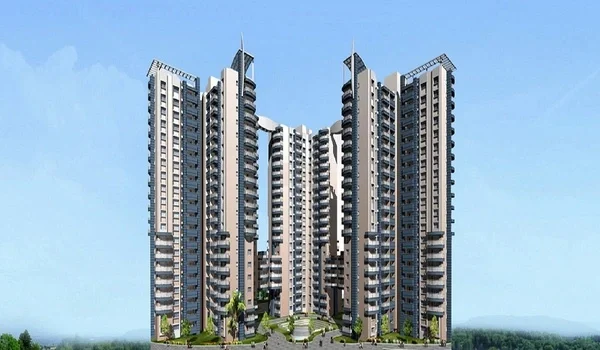
Featured Image of Investment vs. Owner-Occupied Decision Guide 2026


Every home buyer faces one key question early on. Do you want a home to live in, or a home that earns you rent? An owner-occupied purchase is about comfort, safety, and daily routine. An investment purchase is about rent, tax savings, and steady value growth. Neither choice is wrong. The right pick depends on what you need from the property, both now and over the next several years.

Getting this right means understanding a few basics. Banks price these two loan types differently. Tax rules treat them differently too. Even your location priorities shift once rent becomes your main goal instead of daily comfort. Growth belts like Whitefield-Hoskote Road in East Bangalore make a useful case to study. , a project coming up on this road, shows both sides well.


What Really Separates the Two Approaches


An owner-occupied home is one you buy to live in with your family. Your choices reflect daily life, not a spreadsheet. You look for a short commute, good schools nearby, and rooms that suit your households.

An investment property exists to earn you money. You gain through monthly rent, through rising property value, or both. You may rarely step inside once a tenant moves in. Every choice here answers to rental demand and long-term returns, not personal tastes.

How Loan Terms Change Once Rent Enters the Picture


Banks do not lend the same way for both purposes. The risk is different in each case, so the terms differ too.

Factor Owner-Occupied Property Investment Property
Down payment Usually 10% to 20% Usually 20% to 30% or more
Interest rate Generally lower Slightly higher, since risk is higher
Loan approval Based mainly on your salary Based on income plus expected rent

Banks see rental income as less certain than a fixed salary. That is why they ask for a bigger down payment and check your finances more closely on investment loans.

Comparing Returns Between the Two Strategies


An owner-occupied home never pays you rent. Yet it still builds wealth in a quiet way. Each EMI cuts your loan balance and grows your equity. Over time, this works like a forced savings habit that runs in the background of your life.

An investment property works differently. Its job is to put extra cash in your hands each month. You get this after paying the loan EMI, maintenance, and tax on the rent collected. Held for five to ten years, a good investment property can also gain from rising prices in a growing area. That adds capital growth on top of your rental income.

Personal Preference vs. Financial Logic


When you buy a home to live in, emotion plays a fair role. You might happily pay more for a higher floor, a custom kitchen, or a nice balcony view. These choices improve your daily life, so they matter.

When you buy purely to invest, the thinking change. You spend on upgrades only if they raise your rent or cut future repair costs. A tenant rarely pays extra for finishes that matter mostly to someone who lives there full time.

Tax Treatment for Both Options


Indian tax law treats a home you live in and a home you rent out quite differently.

If you live in the property yourself, you can claim relief on home loan interest under Section 24. You can also claim relief on principal repayment under Section 80C. Sell this home later and reinvest the gains into another qualifying property within the set time limit. You may then avoid tax on those gains too.

If you rent the property out to tenants, you can claim a full deduction on the loan interest paid against your rental income. There is no upper limit on this deduction. You also get a flat deduction to cover regular maintenance and repairs. Extra allowances apply too, based on the building's age.

Reading Brigade Granada Through Both Lenses


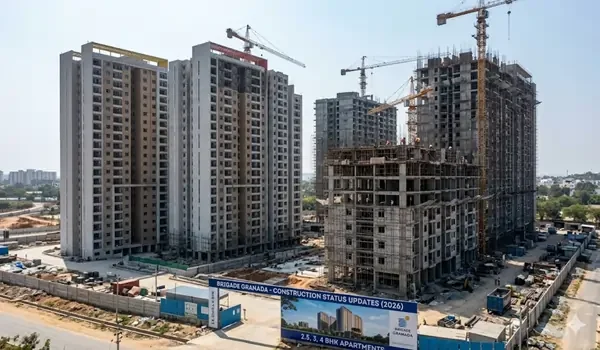
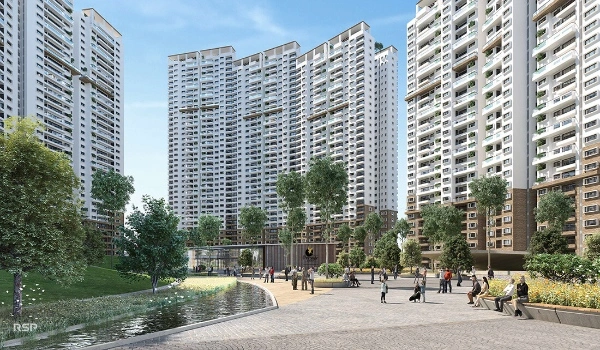
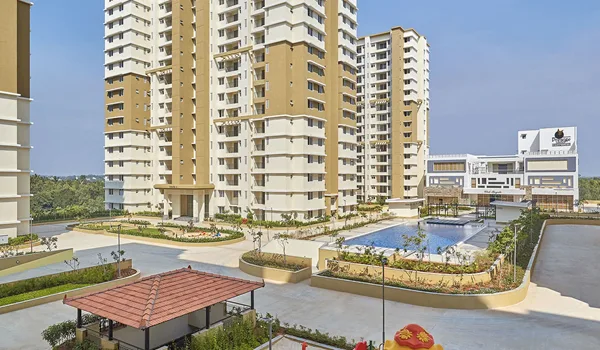
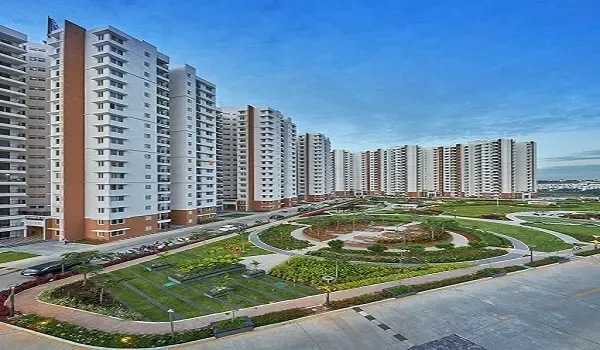
Brigade Granada is a large residential project by Brigade Group on Whitefield-Hoskote Road in East Bangalore. It shows how one address can suit two very different kinds of buyers.

Aspect Appeal for Self-Use Appeal for Investment
Setting Around 80 percent of the layout stays open and landscaped, which supports a relaxed daily pace Low-density surroundings tend to attract tenants who stay for the long term
Location Close to schools, hospitals, and everyday retail across Whitefield Minutes from the job hubs of Whitefield, Varthur, and Sarjapur Road, which keep rental demand steady
Connectivity Kadugodi Metro Station is about five minutes away, easing your daily commute Metro access widens your future tenant pool beyond car owners
Configuration mix Units run from 2 BHK to 4 BHK, suited to families at different stages Sizes from about 1,200 to 2,800 square feet let you target couples or larger families
Entry price Pricing starts at Rs 1.5 crore, giving you a clear budget from day one A pre-launch entry point leaves room for value growth as the IT corridor nearby matures

If you plan to live here, you are buying spacious, comfortable family living in a well-connected part of East Bangalore. If you plan to invest, you are buying access to a steady rental market backed by nearby IT jobs. You also gain the growth potential that tends to follow infrastructure upgrade in this stretch.

A Practical Way to Make Your Decision


Answer these four questions honestly before you commit. Your answers will point you toward the right strategy faster than general advice can.

  • Do you plan to stay in this location for at least five to seven years? If yes, owner-occupied buying likely suits you better.
  • Is steady monthly income your main reason for buying property right now? If yes, an investment purchase deserves serious thought.
  • Do you already have savings set aside for repairs and empty months? If yes, you are financially ready for an investment property.
  • Do you want full freedom to design your home without worrying about tenant wear and tear? If yes, owner-occupied buying is likely the right fit.

Most buyers do not sit neatly on one side of this line, and that is normal. A location like Brigade Granada on Whitefield-Hoskote Road tends to work well for both goals. It offers a comfortable home today and real appeal as a rental asset in the years ahead.


FAQs


1. Can I convert an owner-occupied home into an investment property later?

Yes, you can. Many owners do this as their needs change over time. You simply move out and rent the unit to tenants. Inform your bank and insurer first. Loan terms and insurance cover can change once a self-occupied home turns into a rented one.

2. Is the down payment always higher for an investment property?

In most cases, yes. Lenders usually ask for 20% to 30% or more on an investment purchase. A self-occupied home needs only 10% to 20% in most cases. Banks see rental income as less predictable than a fixed salary, so they ask for a bigger cushion upfront.

3. Which option gives better long-term financial returns?

It depends on your holding period and your goals. An owner-occupied home quietly saves you the rent you would otherwise pay, while steadily building your equity. An investment property adds rental cash flow on top of long-term growth. It also brings vacancy risk and running costs that a self-occupied home does not carry.

4. How does maintenance differ between the two choices?

As an owner living in the property, you maintain it on your own schedule and to your own standard. As a landlord, you usually need to fix issues faster. This keeps tenants happy and protects the rental income you depend on each month.

5. Why does location strategy differ for investors and end-users?

End-users care most about schools, hospitals, and a short daily commute, since these shape their family's everyday life. Investors care most about nearness to job hubs like IT parks. That nearness drives steady tenant demand and healthy rent growth over time.

6. Can I claim tax deductions on two properties at the same time?

Yes, you generally can, though the rules differ based on whether each property is self-occupied or rented out. It helps to check with a tax advisor for your exact case, since these rules change with each Union Budget.

Brigade Granada Blog


Enquiry
Enquire Now