Tax Benefits and Deductions for Homebuyers 2026
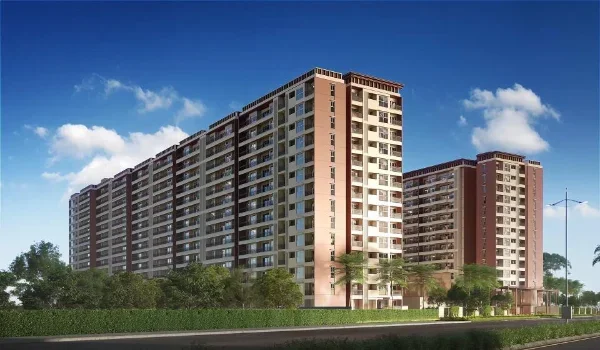
Featured Image of Tax Benefits and Deductions for Homebuyers 2026


Buying a home with a loan comes with a real tax reward. The Income Tax Act lets you cut your taxable income each year. You do this by claiming deductions on both the interest and the principal you repay.

Under the new Income Tax Act, 2025, the rules got renumbered. This change took effect from April 1, 2026. The old Section 24(b) is now Section 22. The old Section 80C is now Section 123. The actual benefits have barely changed. Only the section numbers moved. Knowing both names helps you read your loan papers and your tax return correctly this year.

If you are planning a purchase in a growing belt like Whitefield-Hoskote Road in East Bangalore, these deductions matter. A large project like is coming up in this stretch. These tax rules can lower your real cost of ownership here in a meaningful way.

The Two Main Deductions at a Glance


What You Get Old Section New Section (FY 2026-27) Maximum Yearly Benefit
Home loan interest, self-occupied home Section 24(b) Section 22 Rs 2,00,000
Home loan interest, let-out home Section 24(b) Section 22 Full interest, loss set-off capped at Rs 2,00,000
Principal repayment Section 80C Section 123 Rs 1,50,000
Stamp duty and registration Section 80C Section 123 Included within the Rs 1,50,000 limit

Both deductions apply only under the old tax regime. The new tax regime blocks these claims for a self-occupied home. Choose your regime carefully at the start of the financial year.

Section 22: Deduction on Home Loan Interest


This section covers the interest you pay on your home loan EMI. It works differently based on how you use the property.

For a self-occupied home, you can claim up to Rs 2 lakh of interest paid in a year. You get this full amount only if construction finishes within five years. That window starts from the end of the year you took the loan. Miss that deadline, and your limit drops sharply to Rs 30,000 a year.

For a let-out home, there is no upper cap on the interest you can claim. This claim sits against the rent you earn. However, if the resulting loss goes past Rs 2 lakh, you can only set off Rs 2 lakh against your other income that year. Any leftover loss carries forward to future years.

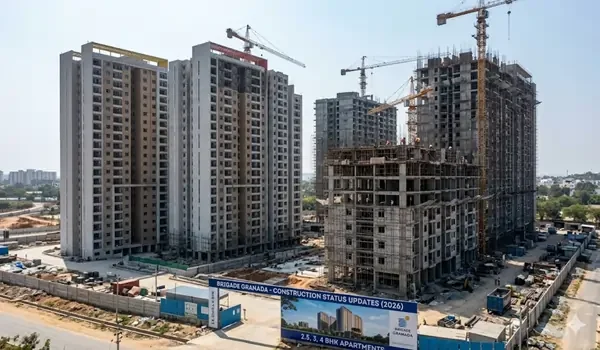
This timeline matters if you book early in a project such as Brigade Granada. Possession here is expected around January 2030. Track your five-year window carefully once real construction begins.

Section 123: Savings on Principal and Registration Costs


Section 123 gives you a combined yearly limit of Rs 1.5 lakh. This limit is shared across a few types of payments.

  • Principal EMI portion. The part of your monthly EMI that cuts your loan balance qualifies here. This sits separate from the interest portion under Section 22.
  • Stamp duty and registration charges. These legal costs qualify for deduction too. You claim them in the same year you actually pay. You can claim this even without a home loan.
  • The five-year holding rule. Sell your home within five years of possession, and this rule kicks in. The tax department reverses every deduction you claimed under Section 123. That reversed amount then gets added back to your income.

Brigade Granada is still in its pre-launch stage right now. Buyers booking today get a natural runway before this five-year clock even starts. That gives you more room to plan an exit later if your plans change.

How Pre-Construction Interest Works


Homes bought under construction come with a special rule. You cannot claim interest paid during the building phase right away. Instead, the tax department lets that interest build up quietly in the background.

Once you get possession, this changes. You can claim the accumulated pre-construction interest in five equal parts. This spreads over the five years right after handover. You get this on top of your regular yearly interest deduction. For a project like Brigade Granada, where handover is planned for 2030, this rule turns years of construction-phase EMIs into a real tax advantage later.

Doubling Your Savings With a Joint Home Loan


A joint home loan can raise your combined deduction by a wide margin. You buy the home with a spouse, sibling, or parent as a co-owner. Both of you must also be co-borrowers on the loan for this to work.

Each co-owner who is also a co-borrower can claim separately. Each can claim up to Rs 2 lakh in interest under Section 22. Each can also claim up to Rs 1.5 lakh in principal under Section 123. Together, two working co-owners can claim up to Rs 7 lakh in deductions each year. Both names must appear on the loan and on the property title for this to apply.

This structure suits larger homes well. Picture a couple booking a spacious 3 BHK or 4 BHK unit at Brigade Granada. Both can split ownership and claim their own deductions. Each claim sits against their own salary income. This lowers the household's real interest burden over the loan tenure.

A Quick Planning Checklist


  • Choose the old tax regime if these deductions matter to your overall tax plan.
  • Check your builder's construction timeline against the five-year rule under Section 22.
  • Keep every stamp duty and registration receipt safe, since these support your Section 123 claim.
  • If buying jointly, get both names on the loan and on the sale deed, not just the loan.
  • Track pre-construction interest on its own, so you can split it correctly across five years after possession.

FAQs


1. What are the main tax benefits and deductions available to homebuyers?

You can claim up to Rs 2 lakh a year on home loan interest under Section 22, once known as Section 24(b), for a self-occupied home. You can also claim up to Rs 1.5 lakh a year on principal repayment, stamp duty, and registration charges under Section 123, once known as Section 80C.

2. Can I claim home loan tax deductions under the new tax regime?

No, not for a self-occupied property. Both Section 22 and Section 123 deductions apply only under the old tax regime. The new tax regime blocks these claims entirely. Weigh both regimes carefully before you decide each year.

3. Can I claim tax benefits on an under-construction property?

Not right away, but the benefit is not lost. Interest paid during construction builds up quietly in the background. Once you get possession, you claim it in five equal parts, on top of your normal yearly interest deduction under Section 22.

4. Are stamp duty and registration charges tax-deductible?

Yes, they qualify under Section 123. This sits within the overall Rs 1.5 lakh combined limit. You can claim this deduction only in the year you actually pay these charges. Timing your payment well matters for your tax plan.

5. Can both husband and wife claim tax deductions on the same home loan?

Yes, if both are registered as co-owners and co-borrowers. Each can claim up to Rs 2 lakh in interest and Rs 1.5 lakh in principal on their own. A working couple can raise their combined deduction to as much as Rs 7 lakh a year this way.

6. What happens if I sell my home within five years of buying it?

The tax department reverses the deductions you claimed under Section 123 on principal repayment. That reversed amount gets added back to your taxable income in the year you sell. Factor this rule in well before you plan an early exit.

Brigade Granada Blog


Enquiry
Enquire Now