Benefits of High-Rise Township Living in 2026
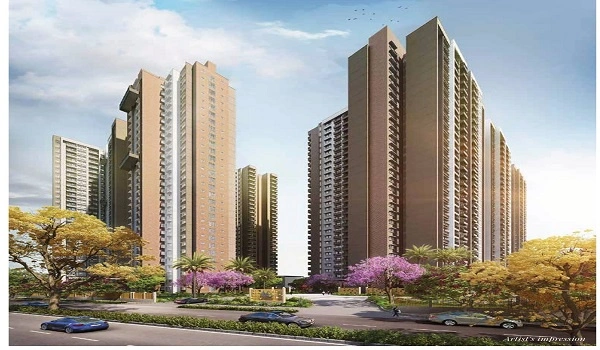
Featured Image of Benefits of High-Rise Township Living in 2026


A high-rise township can offer seven main benefits: shared open spaces, more facilities, easier daily errands, controlled entry, better-managed services, an active social life and strong appeal for some tenants. Higher floors may also offer wider views and less street noise. The value of each benefit depends on the project's design, location, upkeep and number of residents.

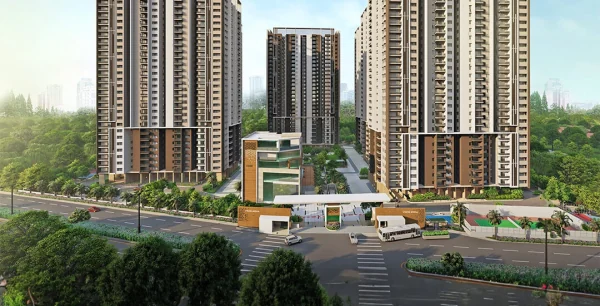
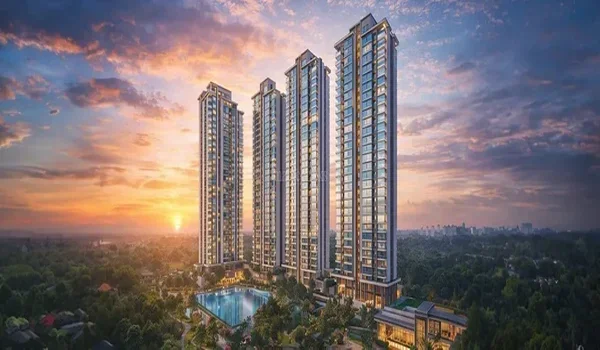
A township brings several towers and shared services into one planned site. It may include parks, shops, sports areas and workspaces. A standalone apartment building is often smaller and may offer fewer shared features.

Township living is not the best choice for every buyer. Maintenance fees can be high, lifts become vital and busy facilities may feel crowded. Buyers should compare the daily gains with these costs before choosing a home.
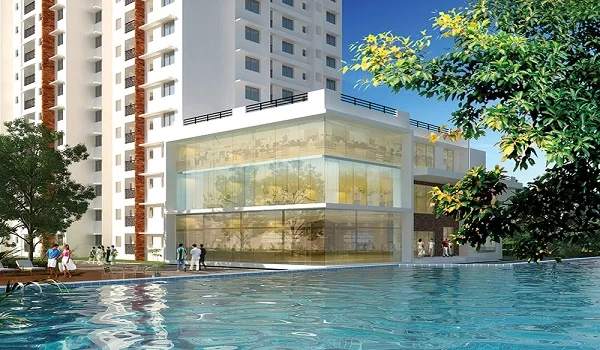
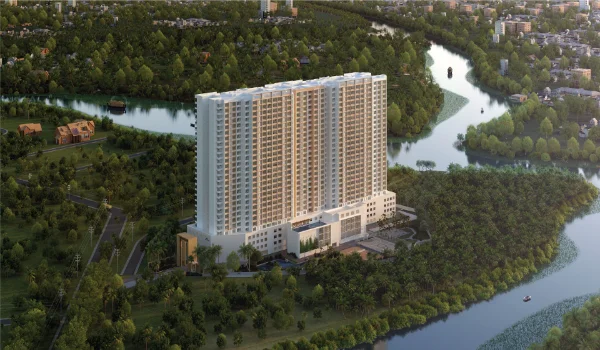
What Is a High-Rise Township?


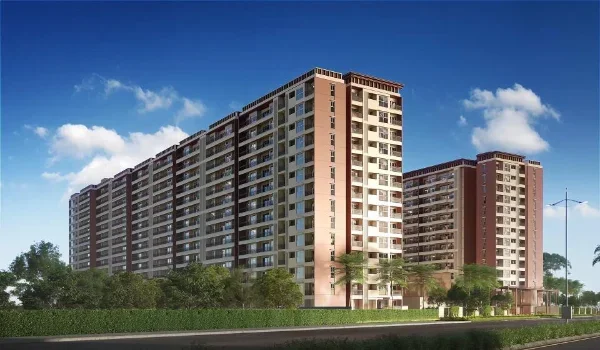
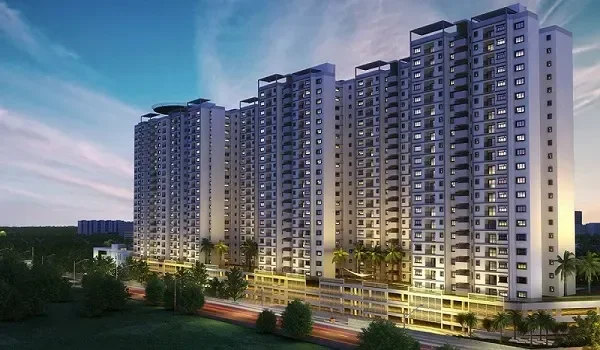
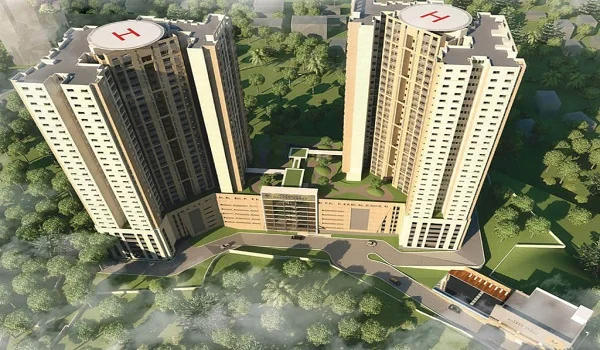
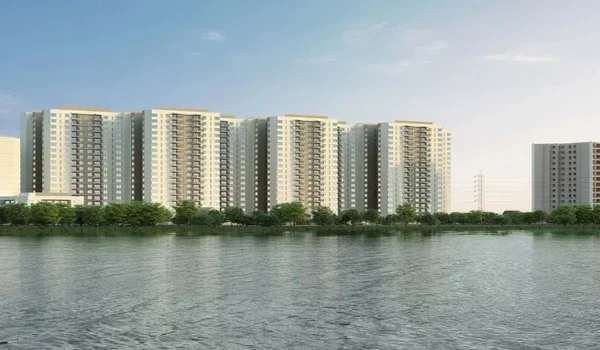
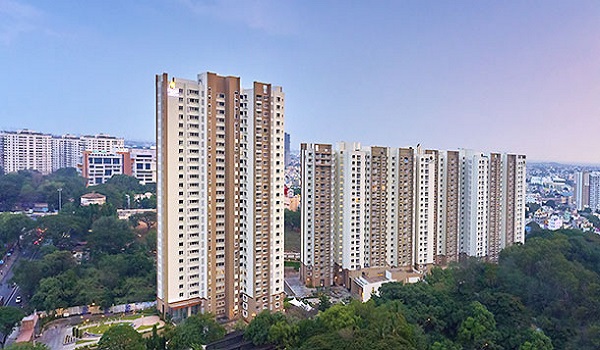
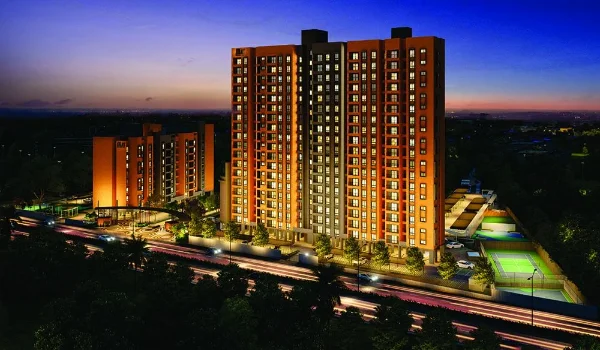
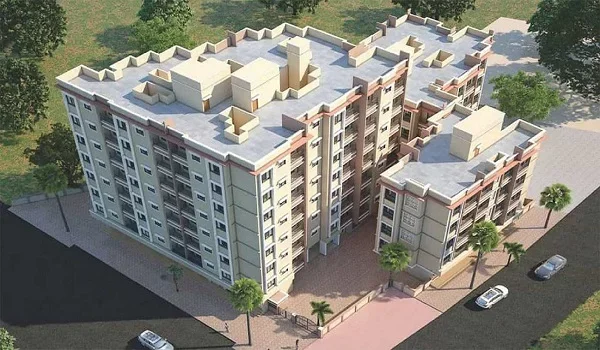
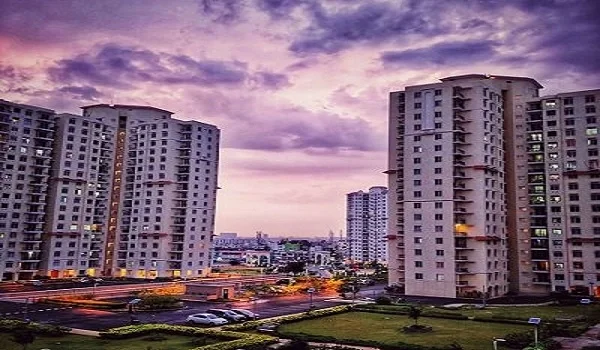
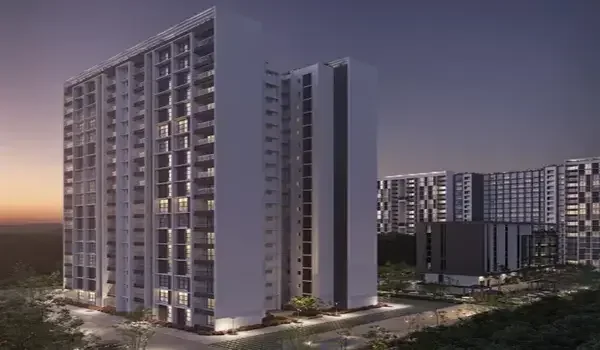
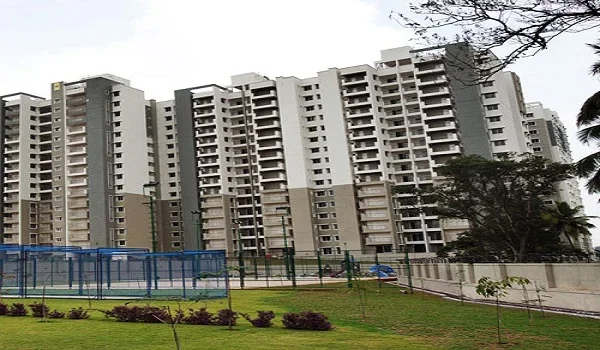
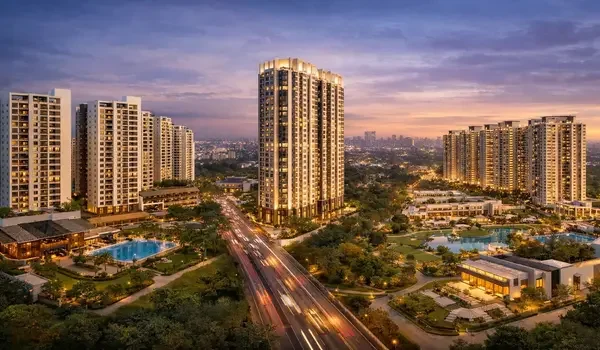
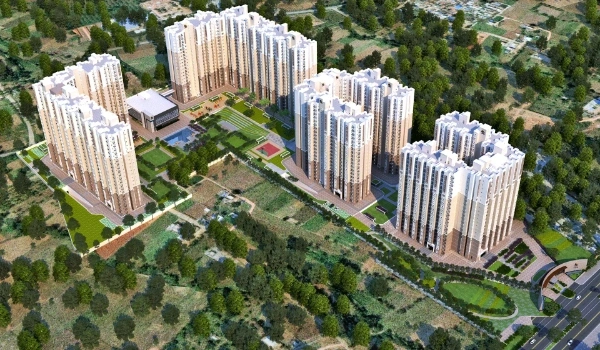
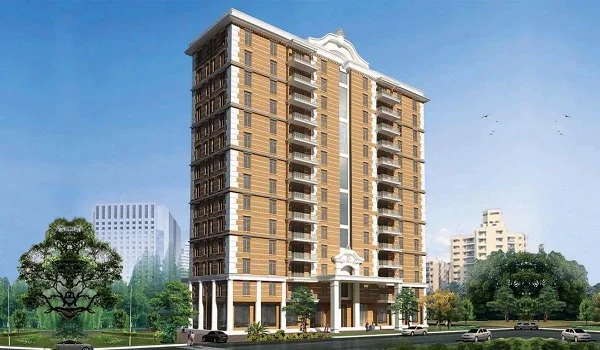
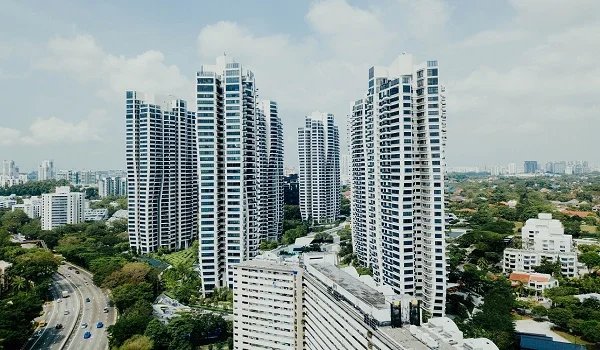
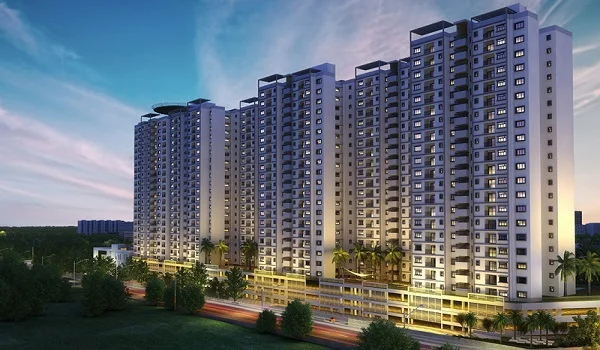
A high-rise township is a large project with several tall residential towers on one site. The plan often combines homes with open areas, a clubhouse and other shared services.
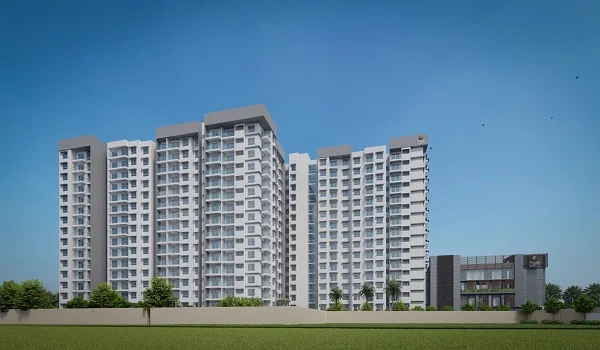
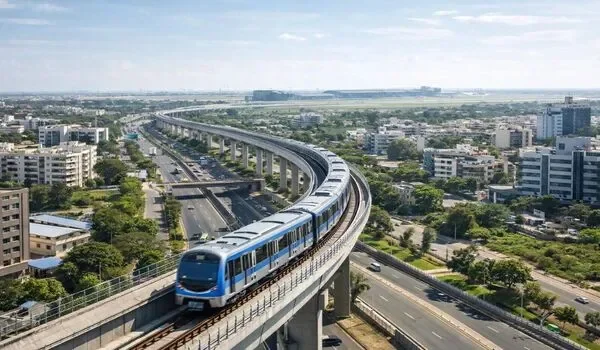
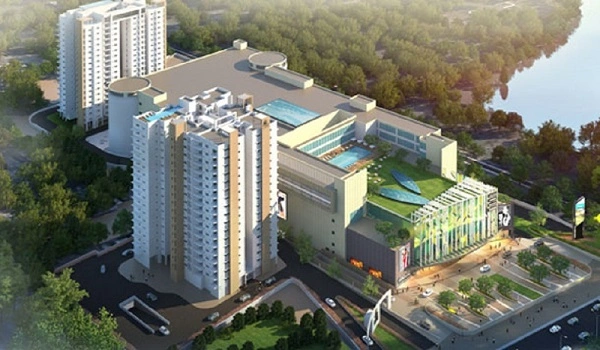
Some townships also include shops, offices, schools or health centres. Others are mainly housing projects with a larger amenity plan. Buyers should check the approved layout rather than assume that every township has the same features.

The number of towers does not prove that a project is well planned. The real test is how the homes, roads, lifts, parks and services work together after people move in.

1. More Shared Open Space


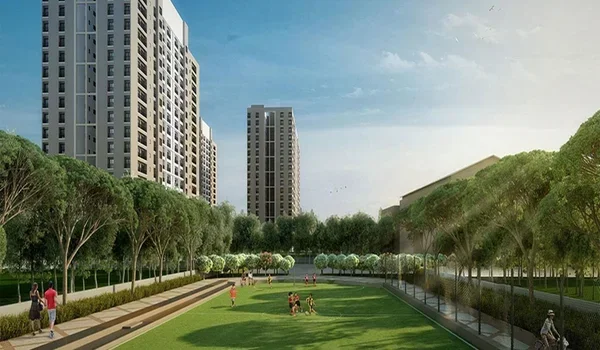
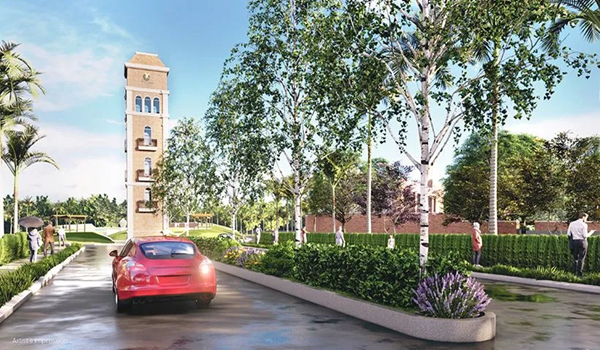
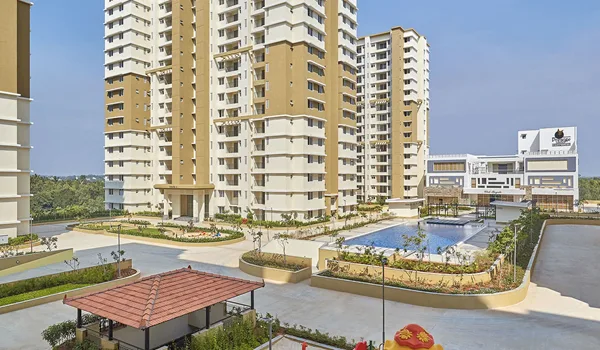
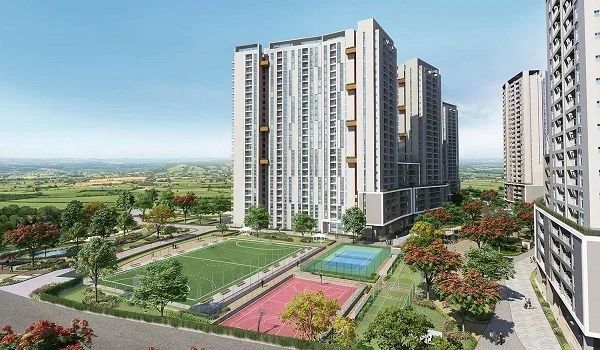
High-rise towers use less ground for each home because the flats are stacked vertically. This can leave more land for gardens, paths and common areas.

The actual open-space share varies from one project to another. A brochure may count roads, setbacks or podium areas as open space, so buyers should ask what residents can truly use.

Useful open areas may include:

  • A park where children can play.
  • Walking and jogging paths.
  • Shaded seats for older residents.
  • Lawns for events and outdoor games.
  • Pet zones or quiet garden corners.

The quality of the space matters more than a large percentage in an ad. Check whether the garden gets shade, whether paths cross roads and how far the park is from each tower.

2. More Fitness and Leisure Facilities


A large township can spread the cost of shared facilities across many homes. This may allow it to offer more than a small apartment building.

Common features may include:

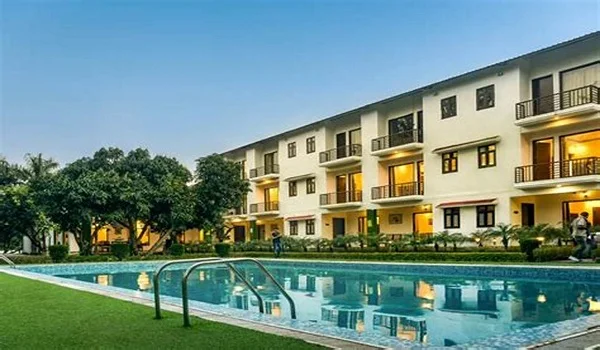
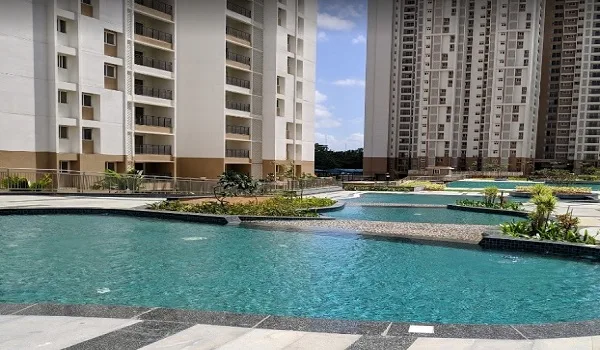
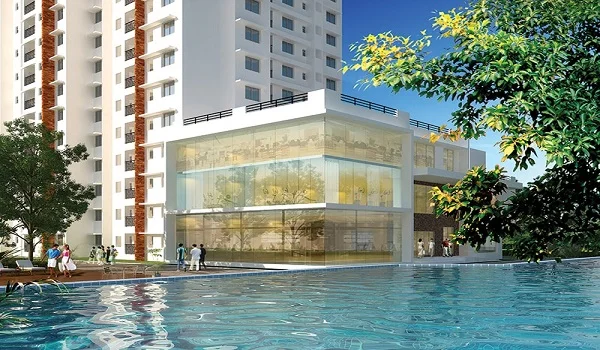
  • A gym and swimming pool.
  • Indoor games and event rooms.
  • Badminton, tennis or basketball courts.
  • Children's play areas.
  • Yoga decks and walking paths.
  • Reading rooms or work lounges.

These features can make exercise and leisure easier to fit into the day. A resident does not need to drive across town for every workout or family activity.

The full list should be checked in the approved plan and agreement. Buyers should also ask how many people will share each facility. One small pool may feel crowded in a site with thousands of homes.

3. Easier Daily Errands


Some large townships include a grocery store, pharmacy, café or other small shops. A few also plan workspaces, clinics or schools within the wider site.

This can reduce short car trips and save time on basic errands. It may help parents, people who work from home and older residents.

Not every planned shop will open when the first homes are handed over. A retail block may take years to fill, while some services may close if there is not enough demand.

Before buying, check:

  • Which shops are approved and which are only proposed.
  • When the retail area is due to open.
  • Whether people from outside can enter the shops.
  • Where loading vans and delivery workers will move.
  • How shop noise and waste will be managed.

Nearby public roads, markets and bus stops still matter. A township should add convenience rather than leave residents dependent on one store inside the gate.

4. Controlled Entry and Shared Safety Systems


Large townships often have guarded gates, cameras and access control in common areas. Visitor apps may also allow residents to approve guests and delivery staff.

These systems can help manage entry, but they do not promise complete safety. Their value depends on trained guards, working cameras, good lighting and clear rules.

Buyers should inspect:

  • Entry and exit points.
  • Camera coverage and blind spots.
  • Visitor and delivery zones.
  • Roads near play areas.
  • Basement lighting and lift access.
  • Fire stairs and rescue access.

Children still need adult care, especially near pools, roads and parking ramps. Older residents may need level paths, seats and easy lift access. A guarded gate cannot replace safe design.

5. Views, Light and Less Street Noise


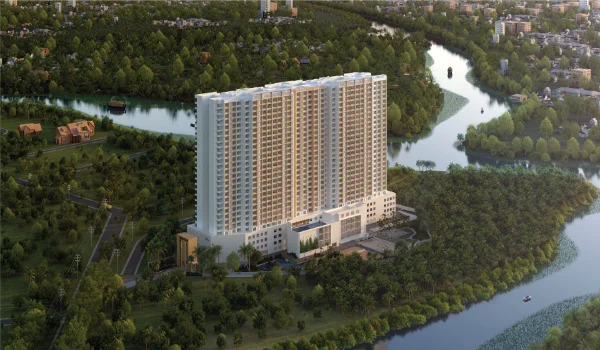
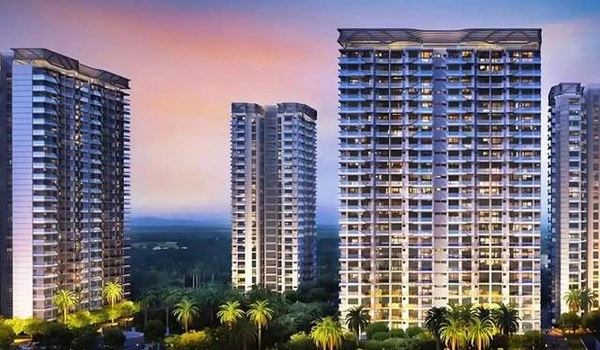
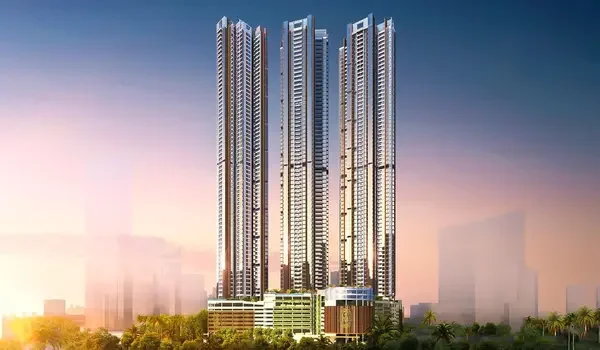
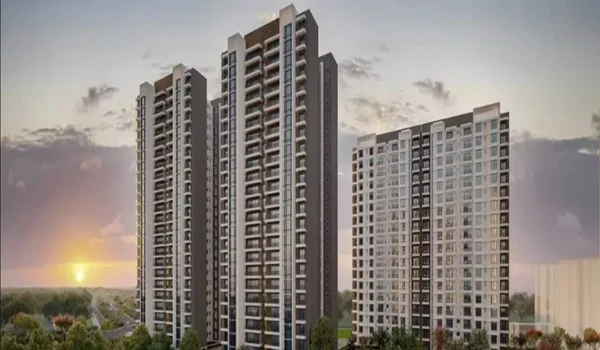
A home on a higher floor may receive wider views and more daylight when nearby buildings do not block it. It may also hear less traffic noise than a flat close to the road.

These benefits are not automatic. Another tower may block the view, west-facing glass may increase heat and strong wind can make a balcony hard to use. Dust and air pollution can also reach high floors.

Visit the chosen unit or study the tower plan carefully. Check:

  • The direction of the main windows.
  • The distance from the next tower.
  • The path of afternoon sun.
  • Noise from roads, clubs and generators.
  • Balcony safety and wind exposure.
  • Future buildings planned nearby.

Do not pay a large floor-rise charge only for a view shown in an image. Ask whether another phase or outside project could block it later.

6. Community Life and Social Contact


Parks, clubs and event spaces can help neighbours meet. Children may find playmates, while older residents may join walks or small group events.

Townships may host festivals, sports events, hobby clubs and resident meetings. These activities can help new families settle into the area.

Community life still depends on the people and the resident association. A large site can feel social, but it can also feel crowded or impersonal. Clear rules and fair access to shared spaces make a difference.

Buyers who value peace should check where event lawns and club rooms sit. A flat facing a party area may hear more noise during evenings and weekends.

7. Managed Upkeep and Market Appeal


A township often has a team for gardens, lifts, waste, water systems and shared spaces. Planned upkeep can help the site remain usable as it grows older.

Large projects may also have water treatment, rainwater systems, power backup and solar lights for common areas. The presence of these systems does not guarantee low bills. Their design, use and repair costs will affect the final fee.

Some tenants prefer townships because they value parks, security and a clubhouse. This may support rent and resale demand when the site is in a good location and remains well managed.

Returns are never guaranteed. A large supply of similar flats, high maintenance charges or a weak rental market can reduce demand. Buyers should compare real rents and resale deals in nearby completed projects.

High-Rise Township and Standalone Flat Compared


Factor Standalone building High-rise township
Open areas Often limited May offer larger shared spaces
Facilities Usually a shorter list May include a large club and sports areas
Daily shops Often outside the gate Some projects include retail
Entry systems Depends on the building Often uses several layers of access control
Maintenance Smaller team and lower scope Larger team with more systems to manage
Monthly fees May be lower Can be higher due to more facilities
Social life Smaller group of neighbours More events and interest groups may form
Lift dependence Usually lower in shorter blocks High, especially on upper floors

Neither option is always better. A well-run standalone building may suit someone who wants lower fees and fewer shared facilities. A township may suit a family that will use its parks, club and daily services.

Brigade Granada as an Early-Stage Example


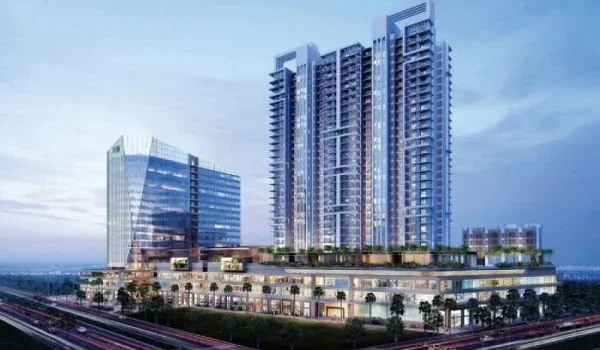
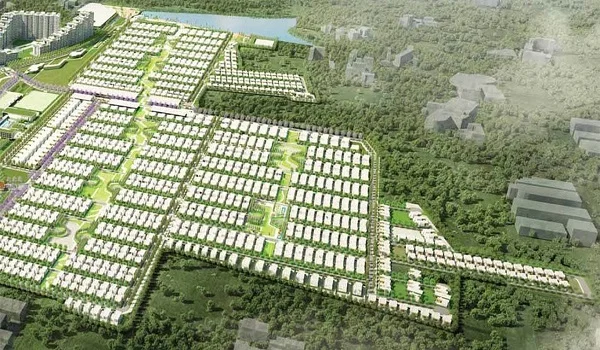
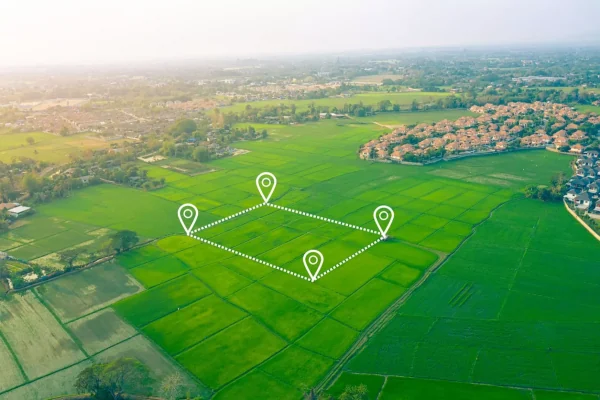
The name "" is being used on property pages for an expected mixed-use project on Whitefield-Hoskote Road in East Bengaluru. An confirms the purchase of 40 acres in this corridor. It also refers to a planned mixed-use development with homes, offices and retail space.

Claims about 14 towers, 80 percent open space and specific home types appear in early marketing material. Buyers should not treat those details as final until the builder publishes the official launch documents and RERA record.

Anyone reviewing this early-stage project should check:

  • The final project name and RERA number.
  • The approved tower and open-space plan.
  • The number of homes in each phase.
  • The handover date and payment schedule.
  • The clubhouse size and sharing limits.
  • Roads between homes, offices and shops.

The site may become a useful example of mixed-use township planning. The final buyer decision should rest on approved facts, not a working name or early image.

Drawbacks Buyers Should Consider


Township life has trade-offs that are easy to miss during a sales visit.

Higher Monthly Charges

Pools, clubs, lifts and gardens cost money to run. Ask for the expected fee, sinking fund and utility charges. Compare them with a completed project of a similar size.

Lift Dependence

Life on a high floor depends on working lifts and power backup. Check the number of lifts per tower, expected users and backup plan.

Long Walks Within the Site

A large campus may place the gate, shop or school-bus stop far from some towers. Study the walking distance from the exact home you want.

Busy Shared Facilities

A long amenity list may look good but feel crowded at peak times. Ask how many homes will share the gym, pool and sports courts.

Long Build Period

A township built in phases may face years of work after the first handover. Buyers should check future tower sites, truck routes and the final end date.

What to Check Before Buying


Before choosing a high-rise township home:

  • Verify the project and phase on the official RERA portal.
  • Ask a lawyer to check the title and sale agreement.
  • Study the approved master plan and tower plan.
  • Check the carpet area instead of only the saleable area.
  • Read the full maintenance and club-fee terms.
  • Inspect fire stairs, lifts and power backup.
  • Visit during traffic and school hours.
  • Compare nearby rent and resale evidence.

These checks show whether the township benefits match your daily needs and budget.

Conclusion


High-rise townships can offer open areas, shared facilities, daily services, controlled entry and an active community. Higher floors may also provide better views and less street noise in the right tower.

The benefits depend on good design and long-term upkeep. Buyers should also allow for higher fees, lift dependence, crowded facilities and years of work in later phases. The best township is one whose approved plan fits the way your household will live.

Brigade Group Prelaunch Project is Brigade Granada.

FAQs


1. What is a high-rise township?

A high-rise township is a large project with several tall residential towers and shared areas. It may also include parks, shops, sports facilities, offices or other services.

2. Are high-rise townships safe for children and older residents?

They may offer guarded gates, cameras and controlled entry, but safety depends on the final design and upkeep. Buyers should check roads, play areas, pools, lifts, lighting and rescue access.

3. What are the benefits of living on a higher floor?

A higher floor may offer wider views, more daylight and less road noise. The result depends on tower spacing, direction, nearby buildings, wind and heat.

4. Do township flats provide better investment returns?

Not always. Good upkeep and useful facilities may support demand, but high fees, excess supply and a weak location can limit rent or resale growth.

5. What happens during a power cut in a high-rise tower?

Many projects plan backup power for lifts, pumps and common lights. Buyers should check what the backup covers, how long it runs and whether extra charges apply.

6. Is township living suitable for senior citizens?

It can be suitable when the site has level paths, seats, good lighting and reliable lifts. Buyers should also check access to clinics, shops and emergency help.

Brigade Granada Blog


Enquiry
Enquire Now