How to Avoid Scams When Buying Apartments in 2026

Featured Image of How To Avoid Scams When Buying Apartments In 2026


To avoid apartment scams, first check the project on the official state RERA website. Then hire your own lawyer to review the title and land papers. Match the home with the approved building plan and pay only through a bank. You should also check the seller, broker, agreement and site before paying a large amount.

No single check can prove that a home is safe to buy. A RERA number, bank loan or famous builder may lower some risks, but each can miss other problems. The best protection comes from several checks made before you sign or pay.

This guide gives general information for buyers in India. Property laws and required papers can vary by state and city. Ask a local property lawyer to review the home you plan to buy.

Common Apartment Scams


Fraud may involve a fake project, but it can also begin with a false payment message. Watch for these common tricks.

Fake Owners and Duplicate Sales

A person may try to sell a flat with a false ID or forged deed. The same home may also be promised to more than one buyer.

For a resale home, meet the owner and check the person's ID. Your lawyer should match it with the registered sale deed and other land records.

Fake Websites and Brokers

A fake website may copy a builder's name, logo and project photos. A scammer may then ask for a booking fee through a personal account or UPI ID.

Find the builder's phone number on its verified website. Call that number and check the agent's name before paying. Where the agent must hold RERA registration, verify that record too.

Sale Before Required RERA Registration

An early price may look like a good deal. Yet a project that needs RERA registration should not be marketed or sold before the number is issued.

"RERA applied for" does not mean "RERA registered." Search the official state portal and open the project page yourself.

Hidden Costs

A quoted base price may leave out parking, taxes, club fees and floor-rise charges. Extra costs may appear only when the agreement is ready.

Ask for a full cost sheet before booking. The same figures should appear in the booking form and sale agreement.

False Features and Views

A brochure may promise an open view, large park or new road. The approved plan may show something else.

Ask the seller to mark each key feature on the approved plan. A computer image or model home is not proof that it will be built.

Pressure to Pay at Once

A broker may say that the price will rise today or that only one flat remains. This pressure is meant to stop you from checking the papers.

A genuine sale should allow time for legal review. Walk away if the seller hides papers or demands an urgent payment.

Seven Steps That Lower the Risk


Step 1: Check the Official RERA Record

Open the RERA website for the state where the project stands. Search by the project name, builder name and RERA number. Make sure the website belongs to the government.

Check these points on the project page:

  • The builder and project names match the offer.
  • The address and land area are correct.
  • The record covers the phase you want to buy in.
  • The end date matches the promised date.
  • The plans and approvals are uploaded.
  • Any listed court cases or land charges are reviewed.
  • The builder has filed the required updates.

RERA registration is a strong first check. It does not prove perfect title or promise that the work will finish on time.

Know the RERA Exemptions

allows some projects to remain exempt. At the central level, this can include land of no more than 500 square metres or no more than eight homes across all phases. A state may set a lower limit.

Some projects with an older completion certificate may also be exempt. Repair work without new sales can fall outside the rule as well.

Ask for proof when a seller claims an exemption. Your lawyer should check whether the claim fits the state rules.

Step 2: Use Your Own Property Lawyer

Do not rely only on a legal report given by the builder or broker. Hire a lawyer who works for you and knows the local land system.

The lawyer may check:

  • The registered sale deeds and title chain.
  • The mother deed and older land papers.
  • The encumbrance certificate for the right period.
  • Land-use and conversion papers where needed.
  • Tax receipts and mutation records.
  • Joint deals, powers of attorney and release deeds.
  • Court cases, family claims and state notices.

An encumbrance certificate is useful, but it is not a full title guarantee. It mainly shows registered deals for the period searched. Some court claims, errors or unregistered rights may not appear.

The lawyer should also check who will sign the sale deed. Extra care is needed when an heir, joint owner, company or power-of-attorney holder signs.

Step 3: Check the Approved Building Plan

Ask for the sanctioned plan and find the flat, tower, floor and parking space being sold. Compare that plan with the work at the site.

Required approvals depend on the state, city and size of the project. They may include land-use permission, building sanction, fire clearance and an environment approval.

For a ready home, ask for the completion and occupancy papers where required. Check that they cover the correct tower and phase.

Do not accept an unapproved floor or changed layout. A promise that approval will come later does not remove the risk.

Step 4: Read Every Contract

The booking form and agreement contain the terms that control the sale. Read them before making a large payment.

Under , a promoter cannot take more than 10 percent of the home's cost without first signing and registering an agreement for sale.

The agreement should state:

  • The flat number, floor and carpet area.
  • The total price and all extra charges.
  • The payment plan and due dates.
  • The handover date and any grace period.
  • The remedy if the project is late.
  • The refund and cancellation terms.
  • The parking rights and shared features.
  • The plans and work details promised to you.

Ask your lawyer to read the full agreement and all attached pages. A spoken promise may be hard to enforce when it is missing from the contract.

Step 5: Keep Payments on Record

Do not make an off-book cash payment, even for a discount. Pay only to the account named in the official demand letter and agreement.

Use a bank transfer or account-payee cheque. Keep the demand letter, bank proof, official receipt and tax invoice.

Scammers may send a late message with "new bank details." Call a known office number before paying into a changed account.

The requires the promoter to place 70 percent of buyer collections in a separate project account for land and building costs. This is the promoter's duty. The word "escrow" in a sales pitch does not prove that the rule is being followed.

Step 6: Treat Bank Approval as One More Check

A bank may review project papers before granting a home loan. Its review can reveal missing records or lending risks.

Bank approval is not a legal guarantee. The bank protects its own loan and may not check every point that matters to you. Approval may also cover only one project phase.

Do not take a loan you do not need only to get a legal review. Loans can involve fees, interest and more paperwork. Use your own lawyer whether you borrow or pay from savings.

If several major banks reject the project, ask for the reason. Treat it as a warning that needs more checks.

Step 7: Check the Builder and Visit the Site

Review the builder's company details, past work and delivery record. Search for RERA orders, court cases and insolvency cases linked to the firm.

A known brand gives you more public records to check. It does not remove the need to review the land, phase and agreement.

At the site, check:

  • The address matches the RERA record.
  • The boundary and access road are clear.
  • The work matches the stated stage.
  • No drain or power line creates an obvious concern.
  • Water, power and road access appear practical.
  • The real travel time suits your household.

Speak with people who live nearby. They may know about floods, road disputes, water shortages or factory noise.


Checking an Early-Stage Project


Early project names can appear online before an official launch. Third-party pages may publish plans, prices and dates that the builder has not confirmed.

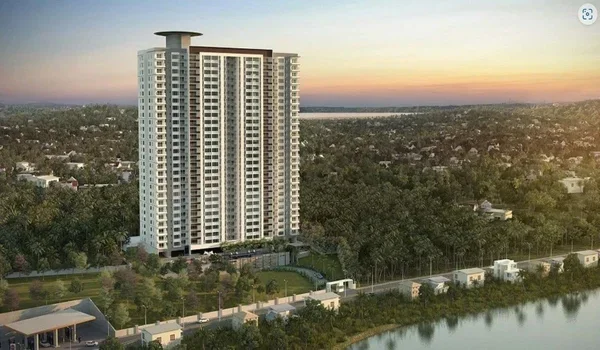
For example, the name "" is being used for an expected project on Whitefield-Hoskote Road. An confirms a 20.19-acre land purchase in this corridor. Yet a land purchase or working name is not the same as a RERA-approved project launch.

Before paying for any early offer:

  • Confirm the official name with the builder.
  • Search the Karnataka RERA website.
  • Ask why money is being collected.
  • Get the refund terms in writing.
  • Check the account holder before paying.
  • Have your lawyer review the offer form.

A builder's past record does not replace checks on the current land and phase.

Main Documents to Check


Registered Title Deeds

These show the recorded chain of ownership. They must be read with other land and court records.

Encumbrance Certificate

This lists registered dealings for a set period. It may not show every dispute or right.

Sanctioned Building Plan

This shows what the local body has allowed. Check the latest plan for the correct phase.
RERA Project Record

This shows the builder's filed details and public updates. It does not replace a title check.
Agreement for Sale

This records the price, area, payment plan and handover terms. Read every schedule and attached plan.

Completion and Occupancy Papers

These may be needed for a ready building. Make sure they cover the correct tower and home.

Tax and Mutation Records

These help show tax payment and revenue entries. They do not create a clean title by themselves.

Warning Signs That Should Stop You


Pause the deal when:

  • The project is on private websites but not the official RERA portal.
  • The seller refuses to share land or approval papers.
  • A broker asks for payment to a personal account.
  • The RERA number belongs to another site or phase.
  • The cost sheet and agreement show different amounts.
  • The seller promises an unapproved floor or feature.
  • A cash payment is tied to a large discount.
  • You are not given time to seek legal advice.

One warning sign may have an answer. Several warning signs are a strong reason to leave the deal.

Conclusion


Avoiding an apartment scam requires more than checking the builder's name. Verify the official RERA record, use your own lawyer and match the home with the approved plan. Read the agreement and keep each payment on record.

RERA, bank review and a known brand can each lower risk. None gives a complete guarantee. Complete your checks before making a large payment, not after a problem appears.

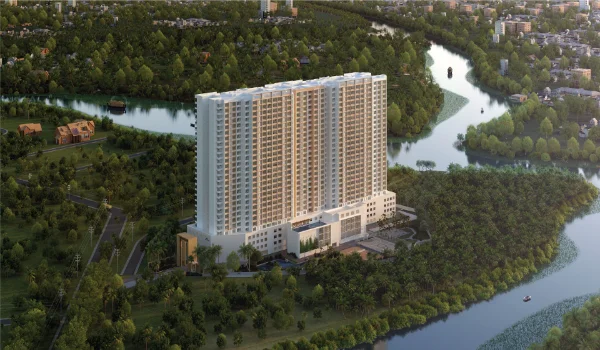
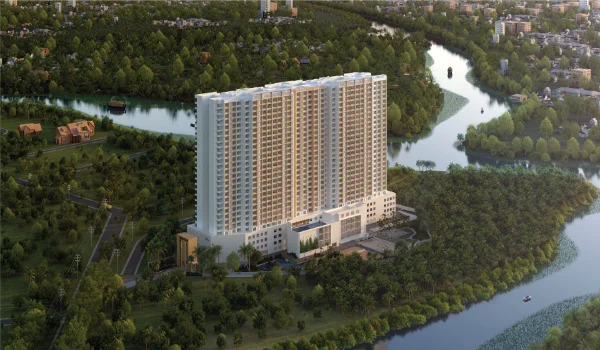
Brigade Group Prelaunch Project is Brigade Granada.

FAQs


1. What should I check first before buying an apartment?

Start with the official RERA record when the project requires registration. Then ask your lawyer to review the title deeds, encumbrance certificate and building approvals.

2. Can a builder sell a home without RERA registration?

A promoter cannot market or sell a project that must be registered before registration is issued. Some small, completed or non-selling repair projects may be exempt under Section 3.

3. Does an encumbrance certificate prove clean title?

No. It shows registered dealings for the period searched, but it may miss some disputes, errors or unregistered rights. Review it with the full title chain.

4. Is a pre-launch apartment safe to buy?

Do not pay towards a project that needs RERA registration until the number is issued and verified. Check the title, approvals, refund terms and official project name before any early payment.

5. Does bank approval prove that a project is safe?

No. A bank review is a useful extra check, but it does not guarantee clean title or timely delivery. You still need an independent property lawyer.

6. Is a well-known builder always safer?

A known builder has more public records to review, but each project carries its own risks. Check the land, phase, RERA record, plans, agreement and payment account.

Brigade Granada Blog


Enquiry
Enquire Now