History of Whitefield Bangalore
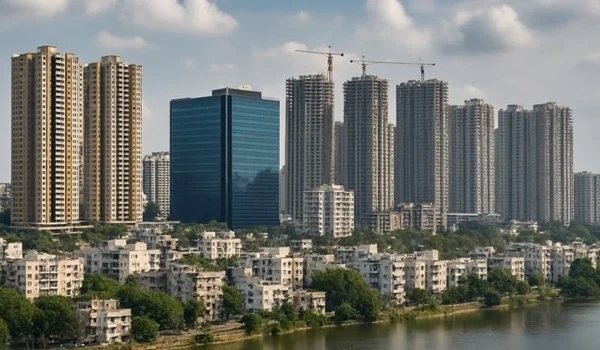
Featured Image of History of Whitefield Bangalore


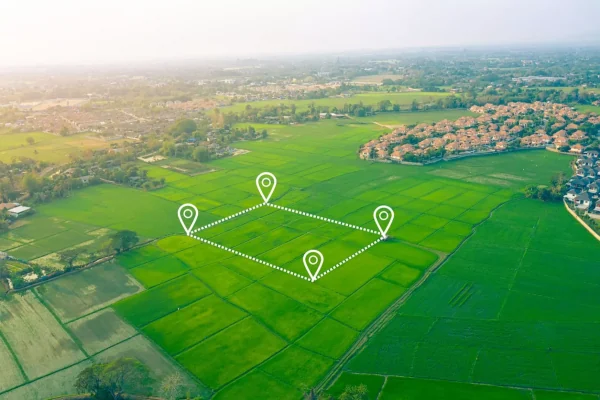
The history of Whitefield Bangalore began in 1882, when Mysore ruler Chamaraja Wodeyar granted about 3,900 acres to the Eurasian and Anglo-Indian community to form a settlement on the eastern side of Bangalore. The colony was linked with David Emmanuel Starkenburg White, then president of the Eurasian and Anglo-Indian Association. Whitefield later took its name from him. For more than a century, it remained a quiet settlement before the IT boom changed it into one of Bangalore's largest job and real estate hubs.

Whitefield's growth can be divided into four clear stages. It started as an Anglo-Indian settlement in 1882, developed as a small residential and farming community in the early 1900s, became an IT centre after International Tech Park Bangalore arrived in the 1990s, and gained direct Namma Metro access in 2023. Today, Whitefield is known for ITPL, EPIP, Purple Line Metro, large apartment communities, malls and the growing Whitefield–Hoskote real estate corridor.
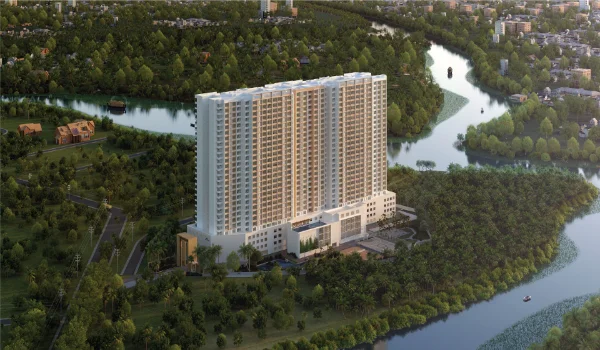
Whitefield History Timeline:


Year Major Whitefield Development
1882 About 3,900 acres granted for an Anglo-Indian settlement
1890s Whitefield developed as a small farming and residential colony
Early 1900s Around 45 houses existed in the settlement
1905 Whitefield Club opened
1907 Population was around 130
1994 International Tech Park project formed through a joint venture
Late 1990s IT growth started changing Whitefield rapidly
2000s Large offices, apartments, malls and schools expanded
26 March 2023 Whitefield–KR Puram Purple Line Metro opened
9 October 2023 Full Purple Line connection to central and west Bangalore opened
January 2026 Direct Pattandur Agrahara Metro–ITPB skywalk opened
2026 Whitefield continues expanding towards Kadugodi and Hoskote

Whitefield's history is therefore not only about technology. Its present city form grew from a 19th-century colony, railway-linked settlement, IT park and metro-connected residential market.

How Whitefield Was Established in 1882


Whitefield was established in 1882 for the Eurasian and Anglo-Indian community of Bangalore. Maharaja Chamaraja Wodeyar of Mysore donated around 3,900 acres for the settlement. The Eurasian and Anglo-Indian Association had around 170 members at the time.

The new settlement was far from central Bangalore. It was planned as a quiet community where families could live and farm. The original Whitefield colony grew around today's Inner Circle and Outer Circle roads, and some early homes still survive in this part of the locality.

Why Is Whitefield Called Whitefield?


Whitefield got its name from David Emmanuel Starkenburg White, who led the Eurasian and Anglo-Indian Association connected with the settlement. He played an important role in developing the colony after the Mysore ruler granted the land.

The name therefore existed more than 100 years before Whitefield became an IT hub. It originally referred to the Anglo-Indian settlement, not the modern office district that people know today.

Whitefield in the Early 1900s


Whitefield was still a very small community in the early 20th century. Historical records mention around 45 houses during the first decade of the 1900s, with only about 130 residents in 1907. Much of the surrounding land was used for farms and open countryside.

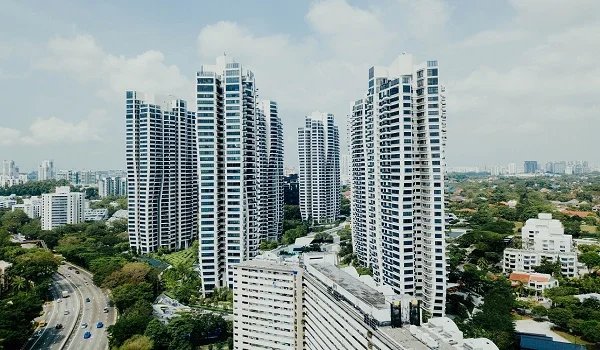
This is very different from modern Whitefield. Today's locality has high-rise apartments, IT campuses, metro stations and shopping centres. The old Inner Circle area is one of the few places where the original settlement pattern can still be seen.

History of Whitefield Club


The Whitefield Club opened in 1905 as a social and literary centre for Anglo-Indian and European residents. It became an important meeting point for the small Whitefield community.

The club building is one of the best reminders of old Whitefield. It belongs to a period when the locality had only a few hundred residents and was still far outside Bangalore's main built-up area.

How Railway Connectivity Helped Old Whitefield


Rail connectivity was important even before the IT era. Whitefield was close to the Bangalore–Madras railway line, which helped residents travel towards Bangalore and the Kolar Gold Fields side. The railway link gave the small settlement better access to jobs and nearby towns.

Whitefield Railway Station still serves the locality today. It now works along with the Purple Line Metro and road network, giving modern Whitefield more than one public transport option.

How ITPL Changed Whitefield


The biggest change in Whitefield's history came in the 1990s. The International Tech Park Bangalore project was created through a joint venture in January 1994, involving Singapore companies, Tata interests and the Karnataka government. The tech park later became known as International Tech Park Bengaluru, or ITPB.

ITPB changed Whitefield from a quiet outer suburb into a major employment centre. Technology and IT-enabled service companies moved into the area. This created demand for apartments, schools, hospitals, hotels, shops and better roads.

Whitefield During the IT Boom


By the late 1990s and 2000s, Whitefield was growing much faster. ITPL and the Export Promotion Industrial Park, or EPIP, brought thousands of technology jobs to the area. Residential growth followed the job market.

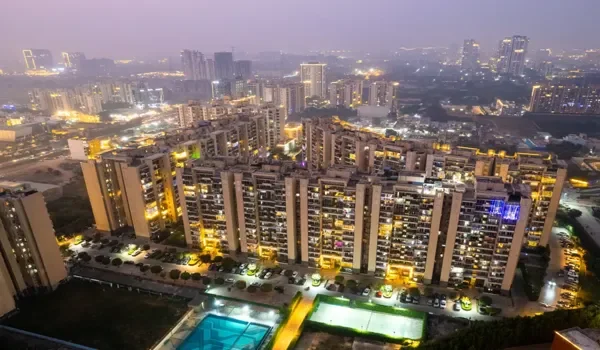
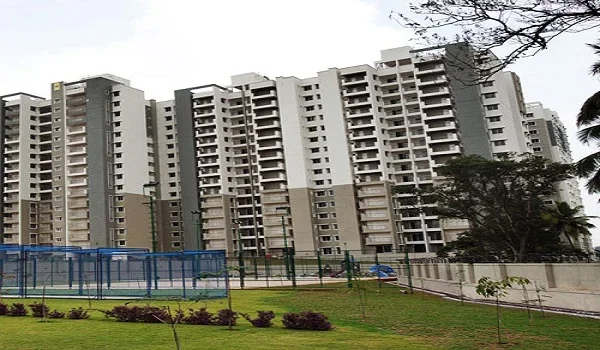
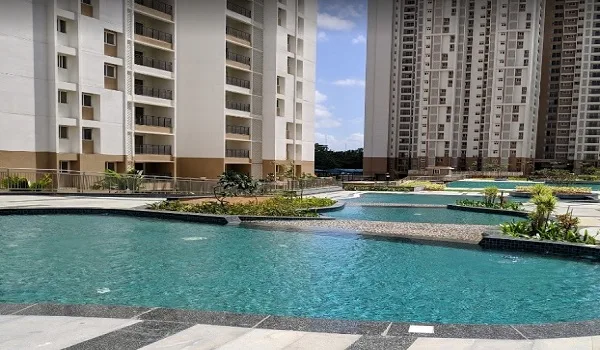
Large apartment projects came up around Whitefield Main Road, Varthur, Brookefield, Hoodi and Kadugodi. Shopping centres and hospitals also followed. Whitefield slowly changed from an employment zone into a full residential market where people could both live and work.

How Whitefield Became a Real Estate Hub


Whitefield's real estate boom was closely linked to IT jobs. As offices grew, workers wanted homes closer to ITPL and EPIP. This pushed apartment growth towards Varthur, Hoodi, Kadugodi, Hope Farm, Nallurhalli and other nearby areas.

The next phase moved farther east. Large projects started spreading towards Kadugodi, Kannamangala, Budigere and Whitefield–Hoskote Road because the central Whitefield belt had become denser and land for large townships was harder to find.

Whitefield Metro History


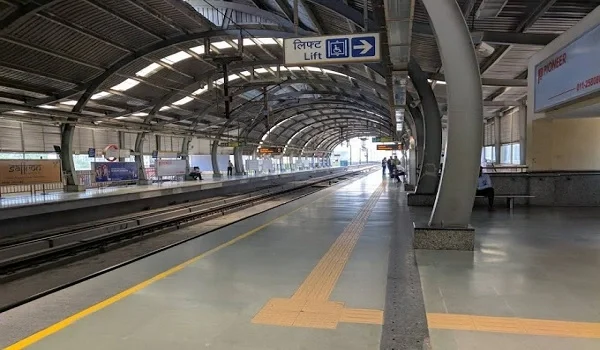
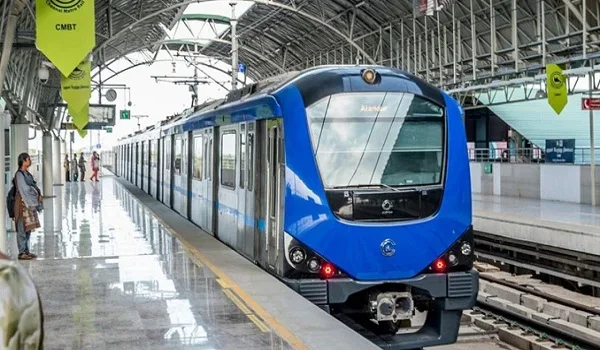
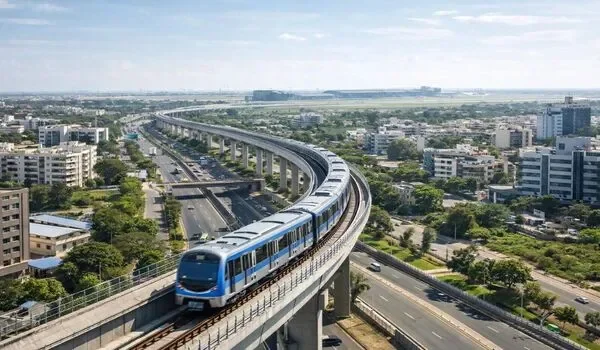
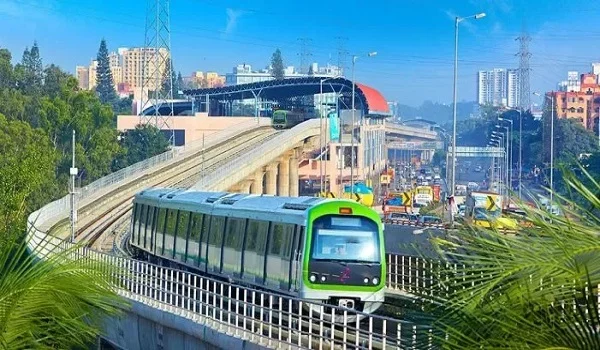
Whitefield entered another major growth phase when Namma Metro reached the area. The 13.71 km KR Puram–Whitefield extension with 12 stations was inaugurated on 25 March 2023, and public services started on 26 March 2023.

The remaining Baiyappanahalli–KR Puram link opened on 9 October 2023. This created a direct Purple Line journey from Whitefield towards Indiranagar, MG Road, Majestic and West Bangalore.

Metro access changed the daily value of Whitefield. Homes and offices near stations such as Whitefield (Kadugodi), Hopefarm Channasandra, Pattandur Agrahara, Nallurhalli and Hoodi gained direct rail access to the rest of the city.

Whitefield History in 2026


Whitefield is still changing in 2026. A direct skywalk linking Pattandur Agrahara Metro Station, ITPB and Park Square Mall opened in January 2026. It was planned to help about 50,000 commuters a day, while ITPB itself hosts around 140 companies and 60,000–70,000 daily employees.

This shows how different modern Whitefield is from the 1882 colony. The area has moved from a settlement of a few hundred people to one of Bangalore's largest technology, transport and housing corridors.

How Whitefield Growth Connects to Brigade Granada


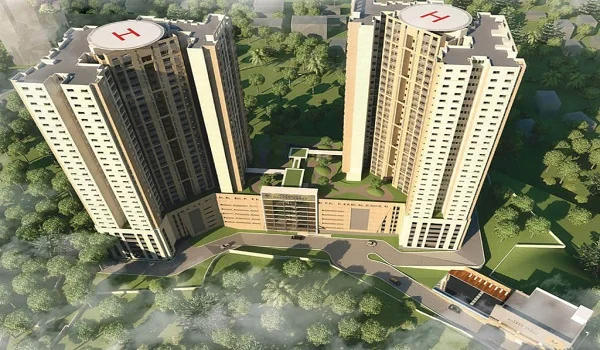
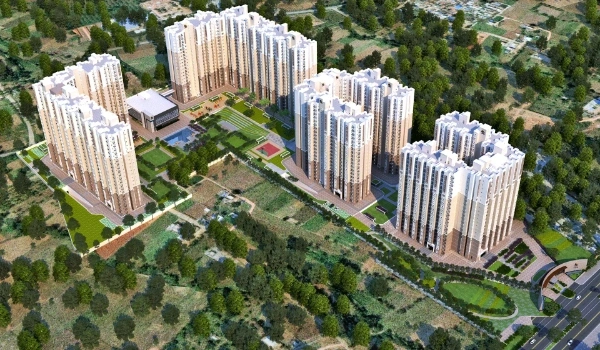
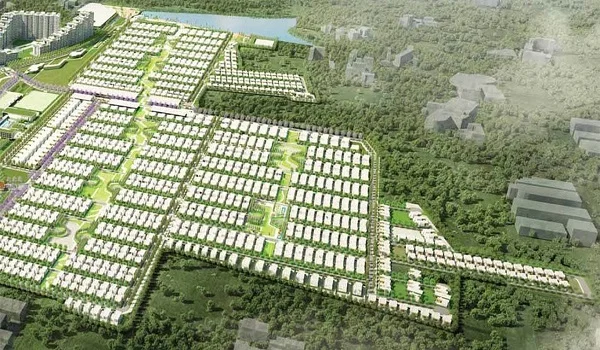
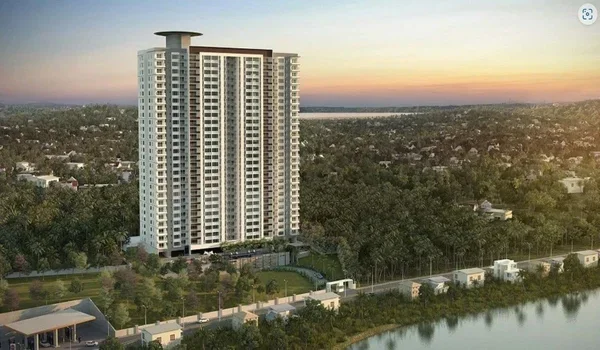
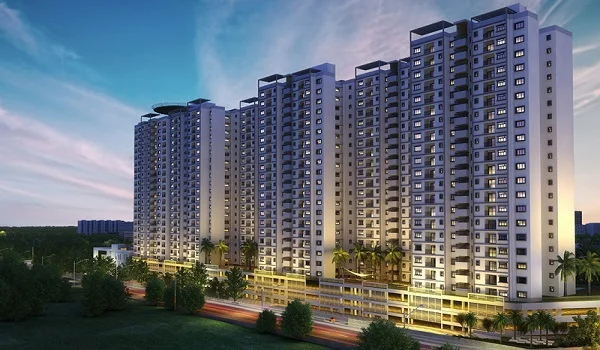
Whitefield's latest growth is moving east towards Kadugodi and Whitefield–Hoskote Road, where larger land parcels are still available. Brigade Granada is one of the major upcoming townships in this new growth belt. It is located at Sannatammanahalli on Whitefield–Hoskote Road in East Bangalore.

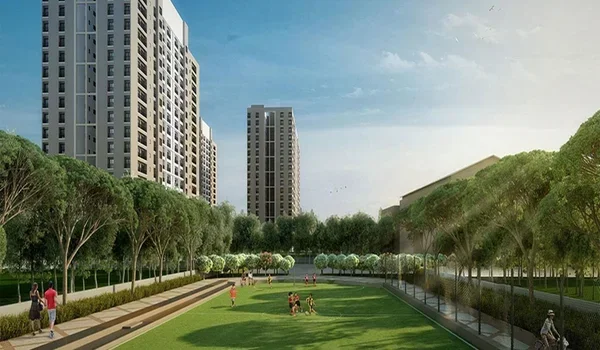
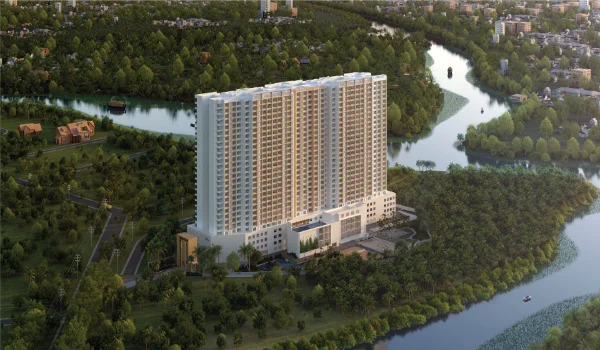
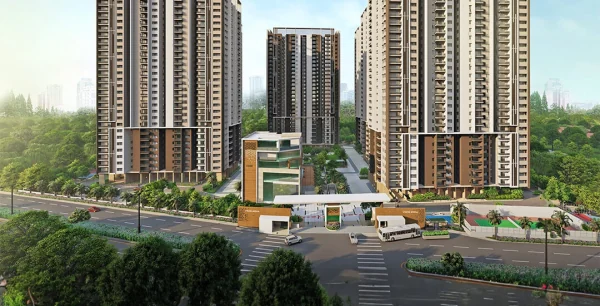
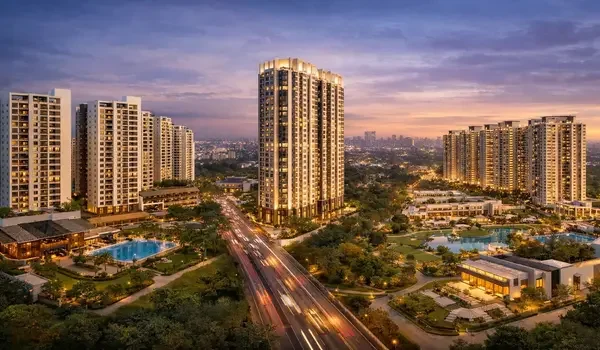
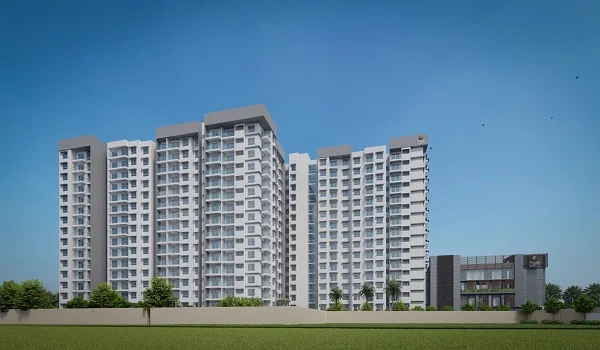
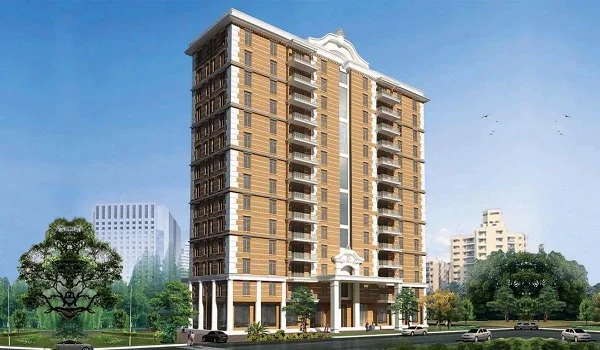
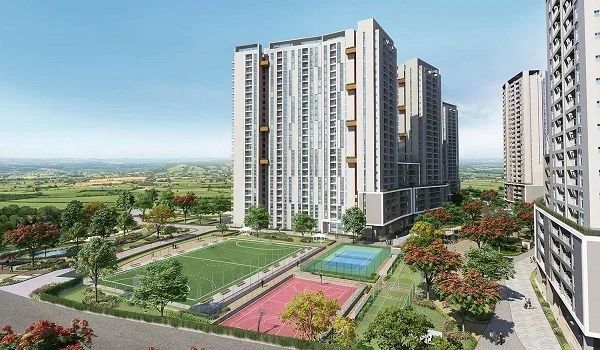
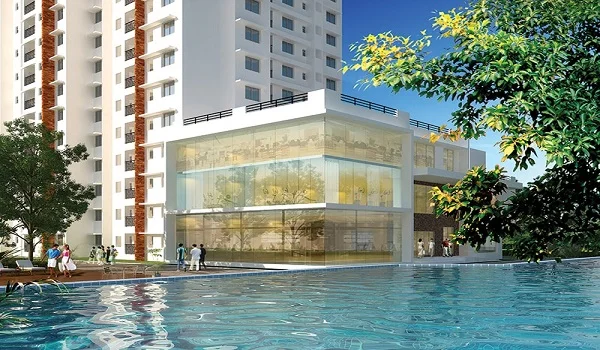
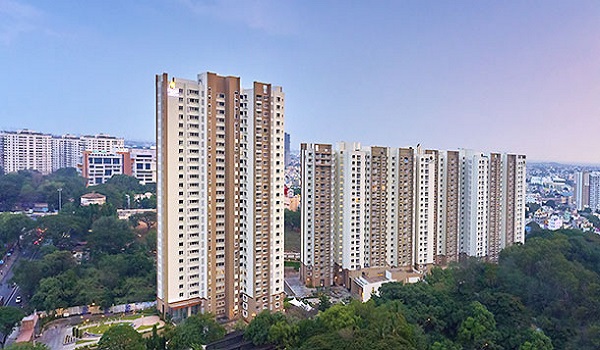
Brigade Granada is planned as a 40-acre mixed-use township with high-rise residences and 1, 2, 3 and 4 BHK homes from about 600 to 2,800 sq. ft. The larger plan also includes office, hotel, retail and other township uses.

Its location shows the next stage in Whitefield's real estate history. Development first grew around ITPL, then moved to Kadugodi and Varthur, and is now extending towards Sannatammanahalli and Hoskote. Brigade Granada fits this eastward growth pattern rather than the old, dense Whitefield core.

What Was Whitefield Before It Became an IT Hub?


Before the IT boom, Whitefield was mainly an Anglo-Indian settlement with farms, bungalows and a small population. It began with a land grant in 1882 and had only around 45 houses and 130 residents in the early 1900s.

The transformation began more than a century later. ITPL arrived in the 1990s, offices and apartments grew during the 2000s, and the Metro reached Whitefield in 2023. These three changes turned the old settlement into the Whitefield known today.

Why Whitefield History Matters Today


Whitefield's history explains why its property market is different from many new Bangalore suburbs. It already has an old settlement, railway history, more than two decades of IT development and direct Purple Line Metro access.

The growth is also continuing beyond the old Whitefield boundary. Kadugodi and Whitefield–Hoskote Road now form the next development belt. This makes Whitefield's history a story of continuous eastward expansion, from an 1882 colony to a major 2026 technology and real estate corridor.
Brigade Granada Blog


Enquiry
Enquire Now