Bangalore

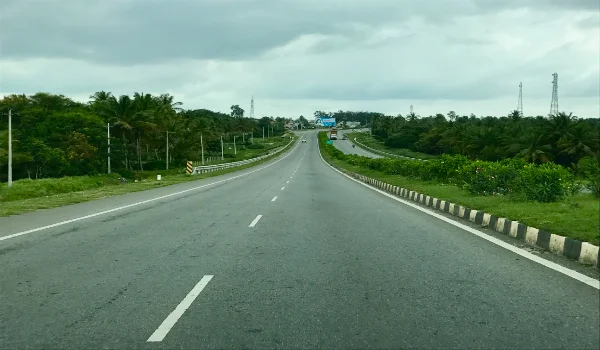
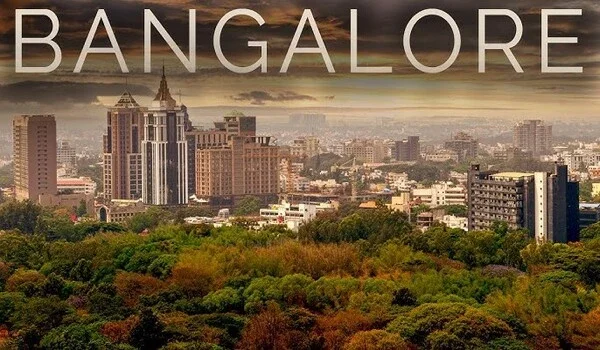
Featured Image of Bangalore


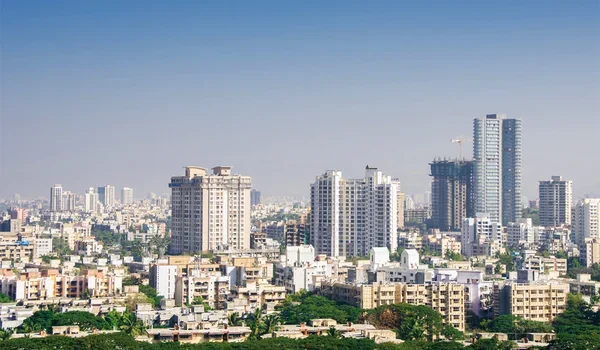
Bangalore, officially Bengaluru, is the capital of Karnataka, India’s leading technology hub, and the largest city in the state. Bengaluru city had 8,443,675 people in Census 2011, while Bengaluru Urban district records 9,621,551 people across 2,196 sq. km. The district has 5 taluks, 20 hoblis, 588 villages and 6 urban local bodies. These remain the latest official Census-based population figures until the next Census replaces them.

Bangalore is also one of India’s strongest job and real estate markets. In Q2 2026, the city recorded 12,544 new residential launches, while H1 2026 crossed 25,000 launches. Bengaluru also recorded 5.6 million sq. ft. of office leasing in Q2, with Global Capability Centres taking 52% of leasing. Kempegowda International Airport handled 44.47 million passengers in FY 2025–26, while Namma Metro now operates about 96 km of routes across the city.

Here is the formatted table summarizing the key statistics for Bangalore (Bengaluru):

Category Bangalore Details
Official Name Bengaluru
Common Name Bangalore
State Karnataka
Status State Capital
Bengaluru City Population 8,443,675 (Census 2011)
Bengaluru Urban District Population 9,621,551
Bengaluru Urban District Area 2,196 sq. km
Taluks 5
Hoblis 20
Villages 588
Urban Local Bodies 6
Bangalore GPO Pincode 560001
Current Civic Authority Greater Bengaluru Authority
City Corporations 5
Operational Metro Network About 96 km
Airport Passengers FY 2025–26 44.47 million
Residential Launches H1 2026 25,000+ units
Q2 2026 Office Leasing 5.6 million sq. ft.
GCC Units Nearly 900

The population and land figures above use official Bengaluru Urban district and Census records. The 2,196 sq. km district area should not be confused with Bengaluru municipal limits, which cover a smaller urban area.
Bangalore or Bengaluru – Which is Correct?


Bengaluru is the official name, while Bangalore remains widely used in property searches, addresses and daily speech. The name Bangalore was officially changed to Bengaluru on 1 November 2014. The modern city traces its foundation to Kempe Gowda I in 1537, when he developed a fortified town and trading pete in the area.

For SEO and property searches, both names remain important. Searches such as Bangalore apartments, Bangalore property, Bangalore map and Bangalore real estate are still common, while government records mainly use Bengaluru.
Which Areas Come Under Bangalore?


Bangalore is usually divided into Central, East, North, South and West Bangalore for property and location searches. These are market zones, not the current five GBA corporation boundaries.

Zone Major Areas
Central Bangalore MG Road, Richmond Town, Vasanth Nagar, Shivajinagar, CBD
East Bangalore Whitefield, KR Puram, Mahadevapura, Kadugodi, Varthur, Budigere Cross
North Bangalore Hebbal, Yelahanka, Jakkur, Thanisandra, Hennur
South Bangalore Jayanagar, JP Nagar, Banashankari, Kanakapura Road, Bannerghatta Road, Electronic City
West Bangalore Rajajinagar, Yeshwanthpur, Kengeri, RR Nagar, Mysore Road, Tumkur Road

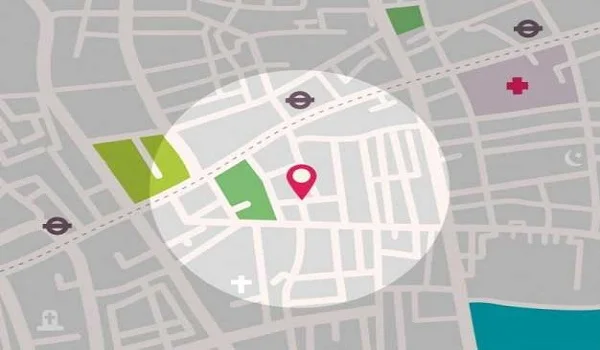
Bangalore Map and Main Growth Corridors


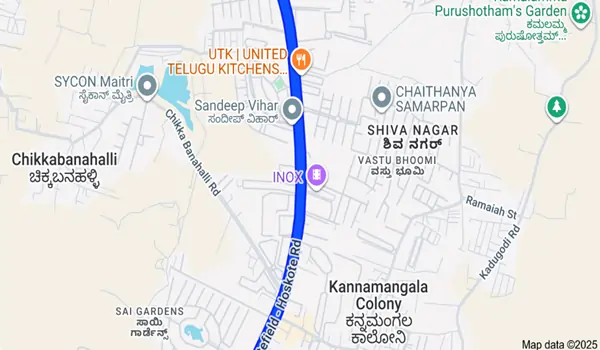
The Bangalore map has five major property growth directions. Whitefield–Hoskote Road and Old Madras Road lead growth in the east. Hebbal–Yelahanka–Airport Road form the northern belt. Hosur Road and Electronic City lead the southeast, while Kanakapura Road and Bannerghatta Road cover the south.

The western side grows along Mysore Road, NICE Road and Tumkur Road. Outer Ring Road connects major employment areas such as KR Puram, Mahadevapura, Marathahalli, Bellandur and Central Silk Board. These corridors explain why new housing is moving farther from the old CBD.

Bangalore Pincode


Bangalore does not have one pincode for the full city. 560001 is the central Bangalore GPO pincode, while each locality has its own six-digit postal code. India Post also lists Bengaluru, Karnataka, with the 560001 central postal reference.

Some commonly searched Bangalore pincodes include Whitefield 560066, KR Puram 560036, Indiranagar 560038, Koramangala 560034, Yelahanka 560064 and Electronic City 560100. Buyers should use the exact project pincode in the sale agreement, RERA record and property documents.

Bangalore Metro Connectivity


Namma Metro has become one of Bangalore’s main transport systems. The operational network is about 96 km, after the 19.15 km Yellow Line with 16 stations opened in August 2025. The Purple Line serves the Whitefield–CBD–Kengeri side, while the Green Line connects North-West and South Bangalore.

Metro expansion remains active in 2026. The 21 km Pink Line and the 58 km Blue Line are key projects. The Blue Line will link Central Silk Board, KR Puram, Hebbal and Kempegowda International Airport, while the Pink Line connects the Bannerghatta Road belt with central and northern Bengaluru.

Bangalore Airport


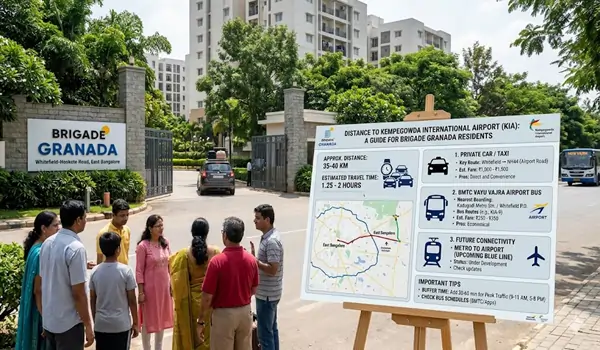
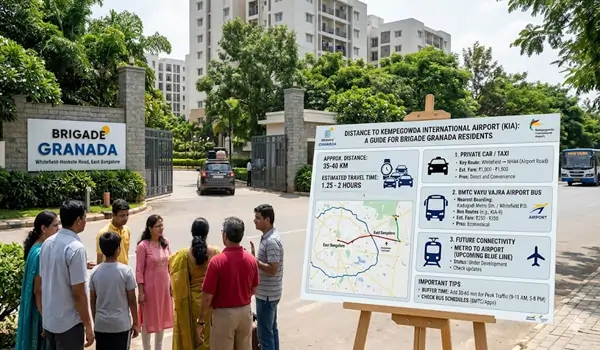
Kempegowda International Airport is Bangalore’s main airport and serves the Bengaluru Metropolitan Region. In FY 2025–26, it handled 44.47 million passengers, up 6.2% year-on-year. International traffic reached 7.23 million passengers, a rise of 23.9%, while domestic traffic reached 37.24 million.

The airport also recorded about 280,800 aircraft movements during the year. Airport-led growth has increased residential and commercial demand across Hebbal, Yelahanka, Thanisandra and the wider North Bangalore corridor.

Bangalore Railway Connectivity


Bangalore has several major railway stations. KSR Bengaluru City Railway Station serves the Majestic side, while SMVT Bengaluru, Yesvantpur, Bengaluru Cantonment, KR Puram and Whitefield serve different parts of the city.

East Bangalore benefits from KR Puram and Whitefield railway stations, while West and North-West Bangalore use KSR Bengaluru and Yesvantpur. The railway network also connects Bangalore with Chennai, Mysuru, Hyderabad, Mumbai, Delhi and other major Indian cities.

Bangalore IT and Employment Market


Bangalore remains India’s leading GCC and technology market. JLL reported in February 2026 that Bengaluru had nearly 900 GCC units and accounted for about 34% to 39% of India’s GCC activity.

The office market stayed strong in 2026. Bengaluru took 24.8% of India’s Q1 2026 office leasing, while GCCs formed 70% of the city’s quarterly leasing activity. In Q2, gross office leasing reached 5.6 million sq. ft., with net absorption at 3.5 million sq. ft.

The main employment zones include Whitefield, Outer Ring Road, Electronic City, Manyata Tech Park, CBD, Koramangala, Sarjapur Road and North Bangalore. These job centres continue to shape apartment demand, rent and property prices.

Bangalore Real Estate Market 2026


Bangalore recorded 12,544 new residential units in Q2 2026, up about 4% year-on-year. More than 25,000 homes were launched during H1 2026, making it a record first half in the Cushman & Wakefield dataset.

High-end and luxury homes made up 58% of Q2 launches. South Bangalore contributed 38% of Q2 supply, North Bangalore added 28%, and East Bangalore contributed 26%. Whitefield and Budigere Cross were key East Bangalore launch markets.

This data shows a clear change in buyer demand. New supply is moving towards larger gated communities, mixed-use townships and premium homes near IT corridors, metro routes and highways.

East Bangalore Real Estate


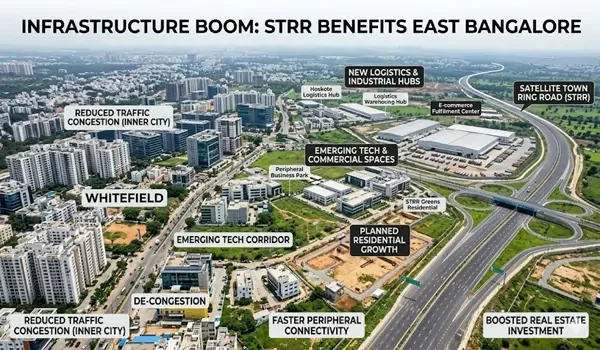
East Bangalore remains one of the strongest property zones in the city. Its main markets include Whitefield, Kadugodi, KR Puram, Mahadevapura, Budigere Cross, Varthur and the Whitefield–Hoskote Road corridor.

The East submarket accounted for 41% of all Bengaluru residential launches in H1 2026. Office demand is also strong around Outer Ring Road and Peripheral East, which recorded some of the highest leasing activity in Q2 2026.

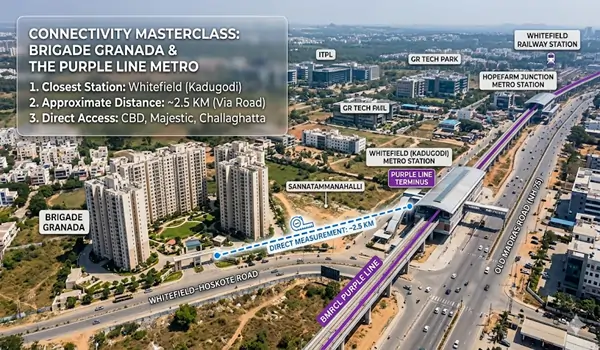
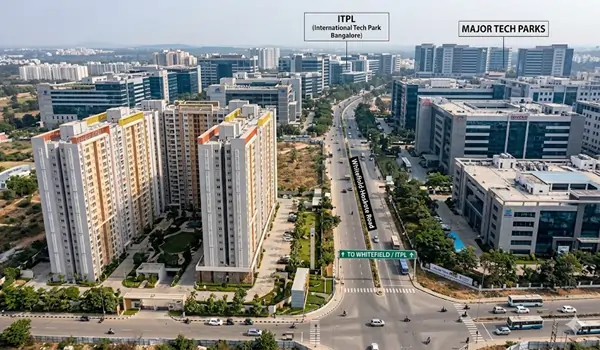
Purple Line metro access, ITPL, EPIP, Old Madras Road and NH 75 continue to support this market. New development is now moving beyond mature Whitefield towards Kadugodi, Budigere and the Hoskote side.

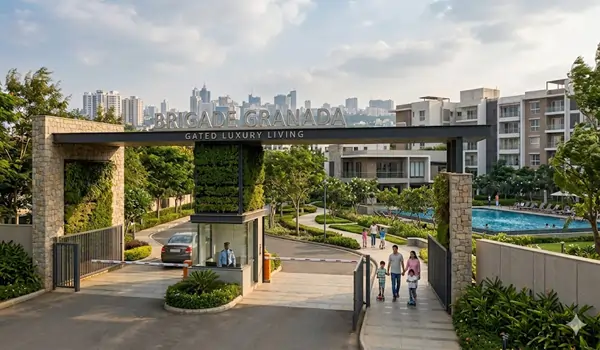
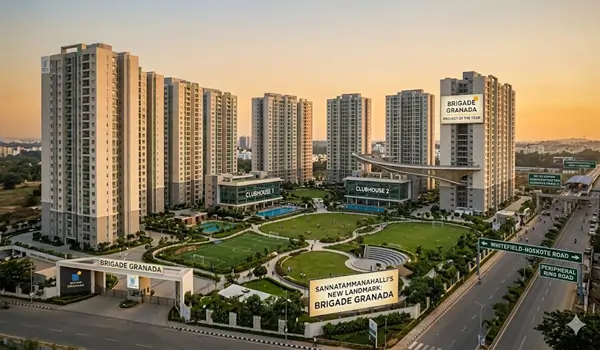
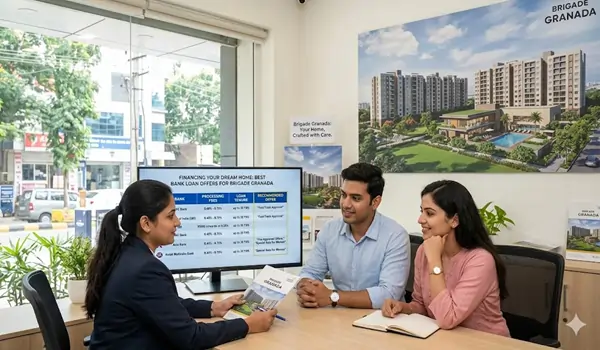
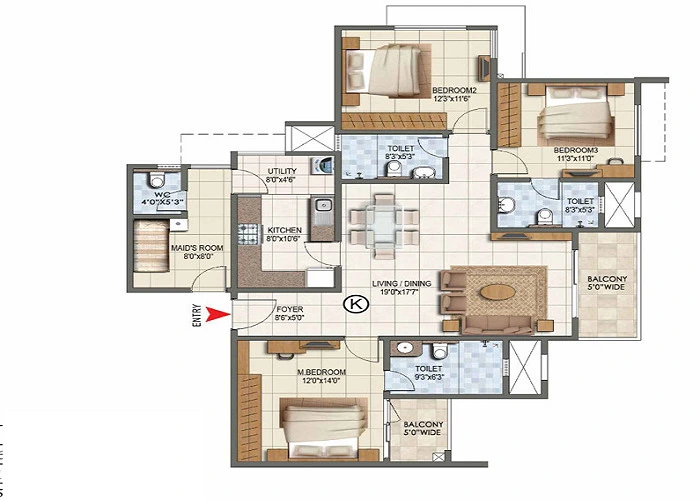
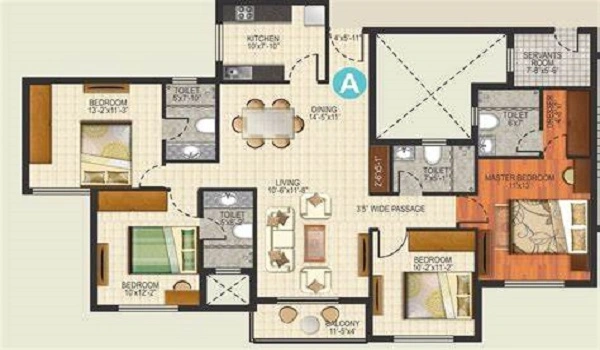
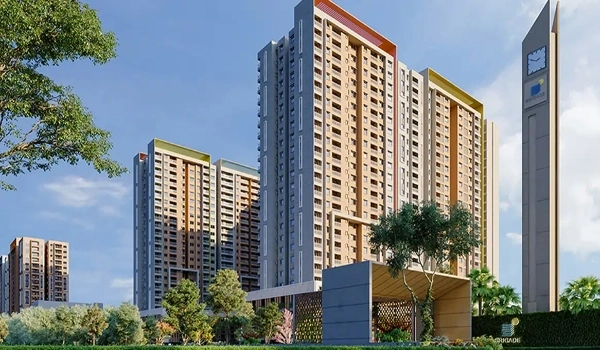
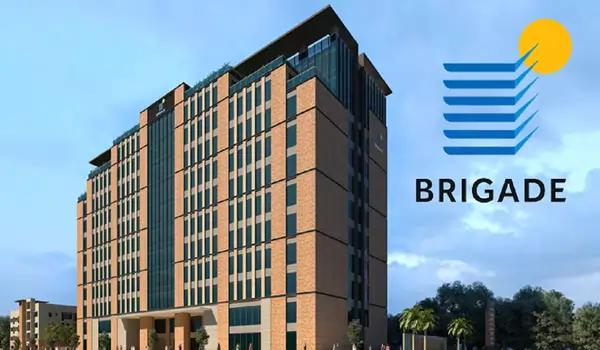
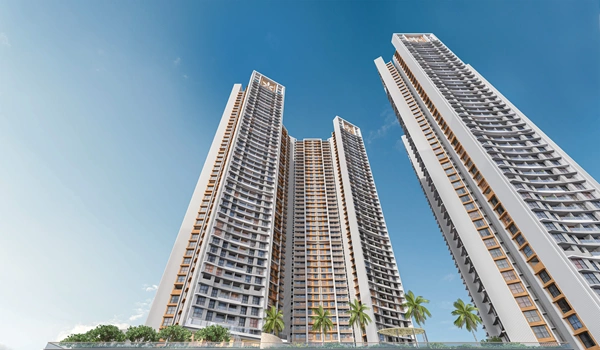
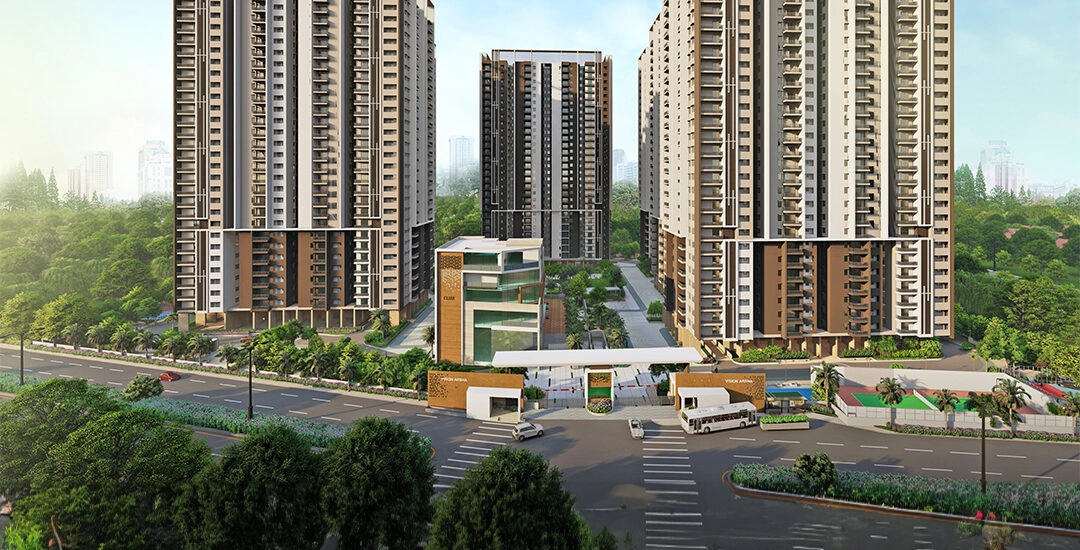
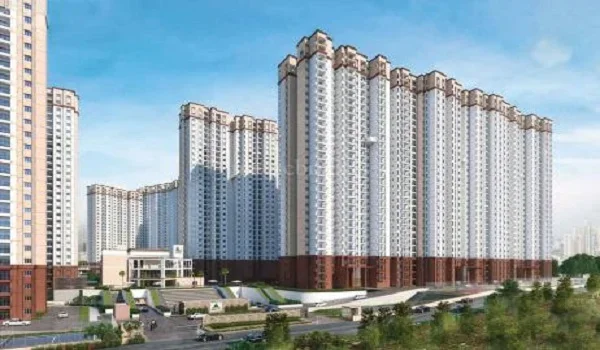
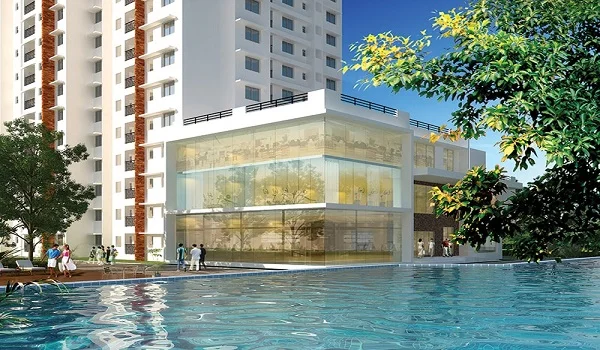
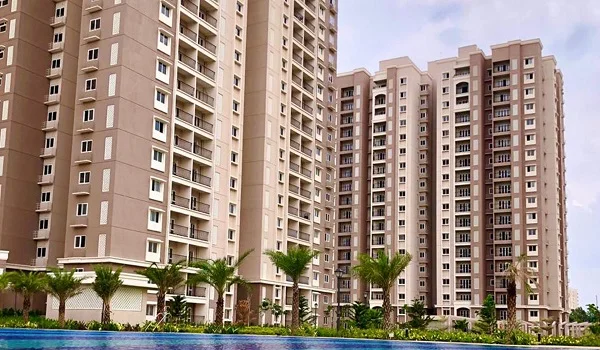
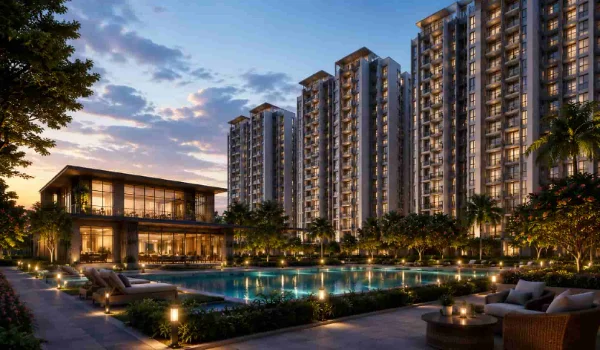
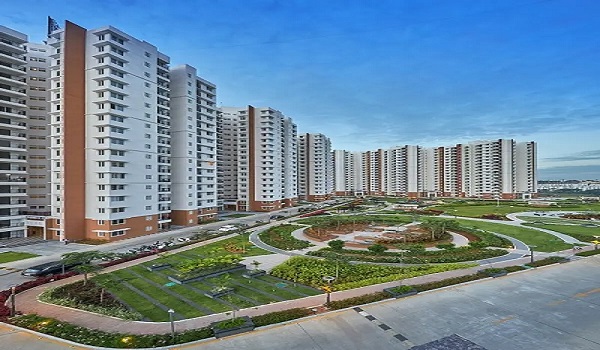
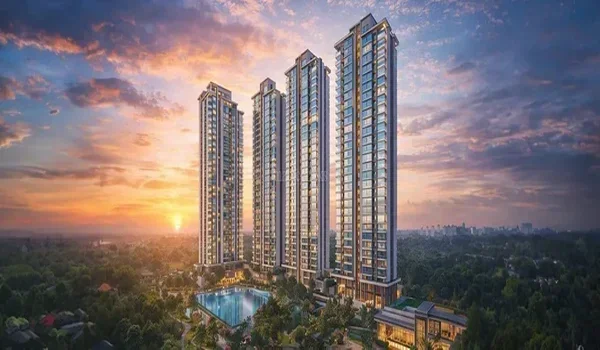
One of the Best Upcoming Brigade Projects in East Bangalore – Brigade Granada


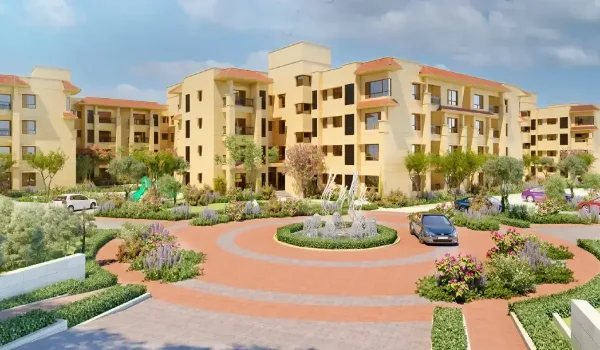
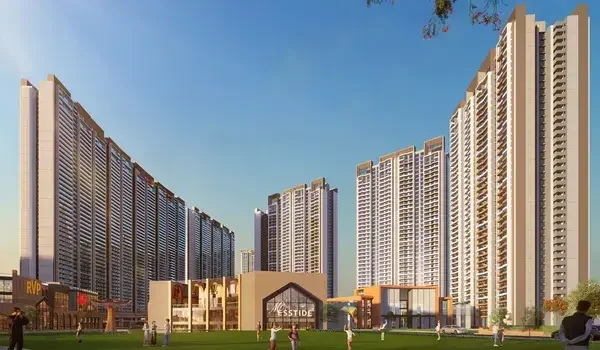
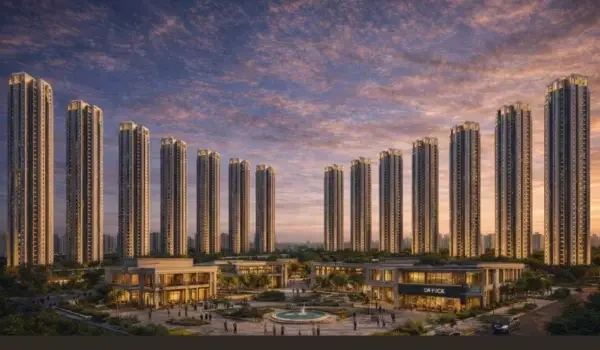
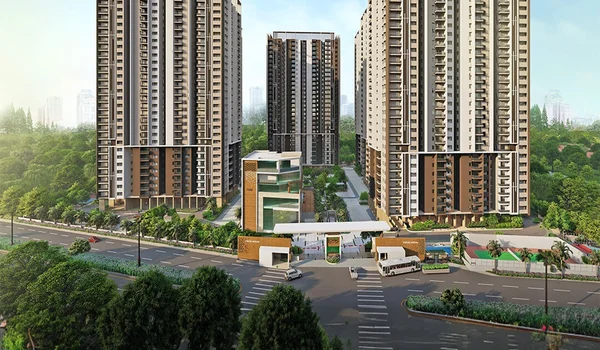
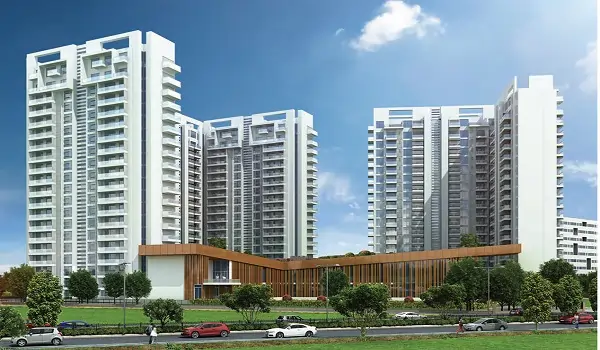
Brigade Granada is an upcoming mixed-use township by Brigade Group on Whitefield–Hoskote Road, Sannatammanahalli, off Seegahalli Road in East Bangalore. Current project information places the township on 40+ acres, with residential towers planned up to 55 floors.

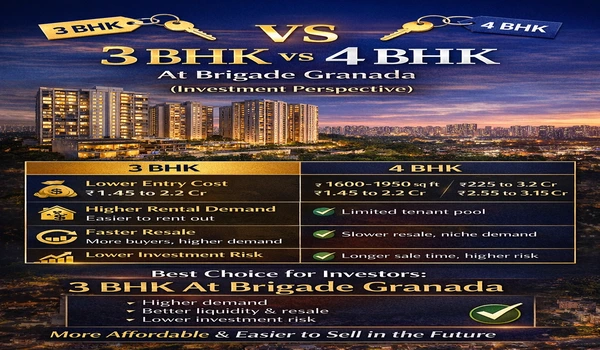
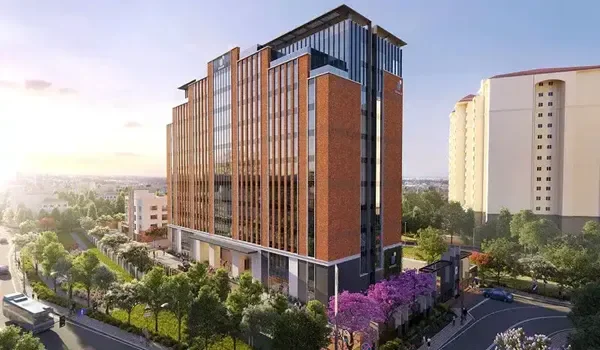
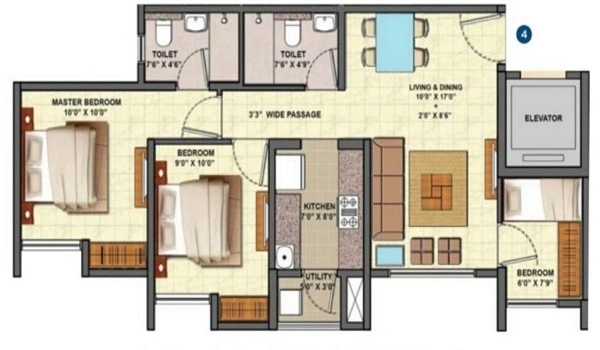
The master plan combines homes and commercial uses in one large development. It includes 1, 2, 3 and 4 BHK apartments, a 35-floor Grade A office tower, a 400-key hotel, retail spaces and lifestyle amenities. Indicative apartment sizes start near 600 sq. ft., while current pre-launch pricing begins from around ₹1 crore.

Brigade Granada gets its location value from the Whitefield–Hoskote growth corridor. It gives buyers access to the Whitefield IT market, Kadugodi belt, Old Madras Road and East Bangalore employment zone. This makes it relevant for buyers who want a large township but do not want to stay inside the crowded core of Whitefield.

Latest Bangalore Updates and News – August 2026


6–14 August 2026 – Metro safety testing: CMRS inspections were planned between 12 and 14 August for new Green and Pink Line trains. Three new six-coach Green Line trains are being prepared for service, while the Pink Line trains are also going through safety tests.

9 August 2026 – Pink and Blue Line signalling: The Pink and Blue metro lines received in-principle approval for the CBTC signalling system. The Blue Line is about 58 km long, while the full Pink Line is around 21 km.

June 2026 – ₹2,000 crore road programme: Karnataka approved ₹2,000 crore for Bengaluru road improvements under the GBA and BDA. The programme targets roads outside existing projects, with a planned execution window of about three to four months.

March 2026 – Bangalore infrastructure budget: The 2026–27 state budget proposed work on 500 km of footpaths, 100 skywalks and 175 junctions. It also targeted around 41 km of new Metro lines during 2026–27.

April 2026 – Airport traffic record: Bengaluru Airport reported 44.47 million passengers in FY 2025–26, including 7.23 million international passengers. Total aircraft movements reached about 280,800.

July 2026 – Record housing supply: Bengaluru crossed 25,000 residential launches in H1 2026. East Bangalore led H1 supply with 41%, followed by North Bangalore at 33%.

Bangalore Civic Administration in 2026


Bangalore is now governed under the Greater Bengaluru Authority, with five city corporations operating under the new structure. The GBA replaced the earlier single-BBMP model and now acts as the city-wide coordinating authority.

The five-corporation system affects property tax, roads, local approvals, waste management and other civic work. The 2026–27 Karnataka Budget also allowed these corporations to raise development funds through municipal bonds.

Why Bangalore Remains a Major Property Market


Bangalore combines three strong property-demand engines: technology jobs, large infrastructure spending and high housing supply. The city has nearly 900 GCC units, crossed 25,000 new homes in H1 2026, and handled 44.47 million airport passengers in FY 2025–26.

For home buyers, the strongest growth belts are now East, North and South Bangalore. East Bangalore is driven by Whitefield and the Hoskote corridor. North Bangalore is supported by the airport and Yelahanka belt. South Bangalore benefits from Electronic City, Kanakapura Road and the Yellow Line metro. The right location depends on workplace, metro access, road time, project price and daily social infrastructure.

Brigade Granada Blog


Enquiry
Enquire Now