What Is the History of Kadugodi?
Featured Image of What Is the History of Kadugodi?


The history of Kadugodi goes back more than 1,000 years. Its earliest known record is a Tamil inscription from around 1030 CE. It belongs to the rule of Rajendra Chola I. The record links the village with a Shiva temple and Chola rule in the Bengaluru region. This makes Kadugodi much older than modern Whitefield and its IT parks.

Another inscription from 1043 CE records work linked to Pattandur Lake. It also refers to Ganesh, Durga and Kshetrapala temples built under a local Chola chief. These records show that Kadugodi was not only a forest village. It had temples, water bodies and an organised local community by the 11th century.
How Did Kadugodi Get Its Name?


Kadugodi was earlier written as Kadugudi. The name comes from two Kannada words. “Kadu” means forest, while “gudi” means temple. Together, they mean a temple in the forest.

The name is linked to the old Kashi Vishveshwar Temple in Kadugodi. The Cholas are said to have given land for this Shiva temple. Parts of its design also show signs of Ganga-period influence. The Ganga rulers came before the Cholas in this part of Karnataka.

Inscriptions at the temple call the deity Rajadhi Raja Bhangisvaram. The present Shiva linga is not believed to be the original one. Local accounts say that the older linga was stolen. A replacement was later brought from Varanasi.

Kadugodi During the Chola Period


The Cholas ruled parts of Bengaluru and Kolar between the 10th and 12th centuries. Kadugodi was part of this wider region. Temple grants and water works played a major role in village life. The inscriptions found here provide clear proof of this link.

Pattandur Lake also forms part of Kadugodi’s early history. A Chola-period record mentions support for its development. The lake would have helped farming and daily water use. This shows that the settlement had planned water systems many centuries ago.

Old Kadugodi grew around its temples and village streets. Kashi Vishveshwar Temple, Eashwara Temple and Anjaneya Temple remain part of its identity. Local shrines for Maramma and Ganga Parameshwari are also found here. Temple chariot festivals have continued through later generations.

What Was Old Kadugodi Like?


Kadugodi was mainly a farming and craft village before Bengaluru spread east. Its old street names give clues about daily life. Kumbhara Beedi was linked to potters. Ganigara Beedi was linked to oil makers, while Angadi Beedi served as a market street.

This street pattern shows how work shaped the village. Families often lived close to others doing the same craft. Temples, wells, tanks and markets formed the centre of daily life. Some of this old village character remains around Bapuji Circle and the temple streets.

Railway Growth in Kadugodi


The arrival of the railway brought a major change. Whitefield Railway Station opened in 1864 on the Bengaluru–Chennai line. Although it carries the Whitefield name, the station stands on the Kadugodi side. It linked the village with Bengaluru, Kolar and towns towards Chennai.

The railway later became one of Kadugodi’s main landmarks. Homes, shops and bus services grew around the station. It also explains why Whitefield and Kadugodi are often treated as one area. The two places remained separate, but their travel links became closely shared.

Brindavan Ashram and Kadugodi


Kadugodi gained wider attention after the Brindavan Ashram opened near Whitefield Railway Station. Sri Sathya Sai Baba opened it on 25 June 1960. The site covered about 50 acres on the edge of Kadugodi village.

The ashram brought visitors from across India and other countries. An education campus and other facilities later grew around it. This added a new religious and education centre to Kadugodi. The ashram also became a well-known landmark for rail and road travellers.

From Village to Bengaluru Suburb


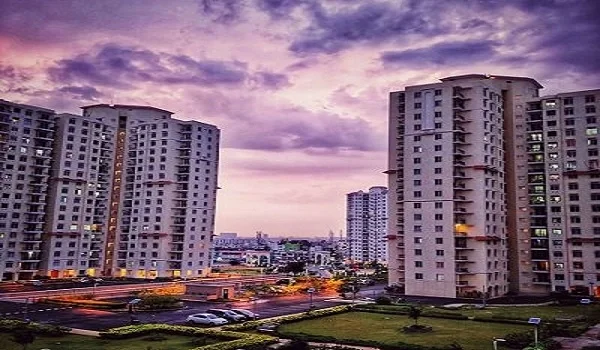
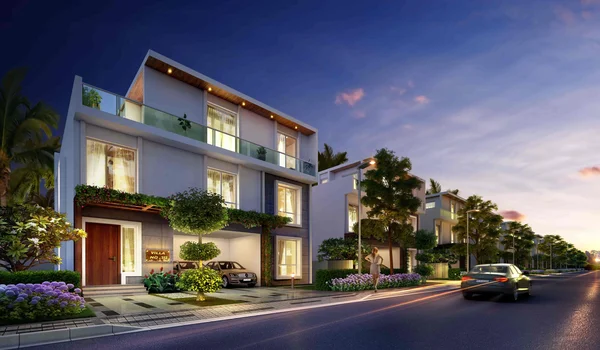
Kadugodi began to spread beyond its old village area during the second half of the 20th century. New layouts appeared around the railway station and main roads. The growth of Whitefield as an IT hub brought faster change after the 1990s.
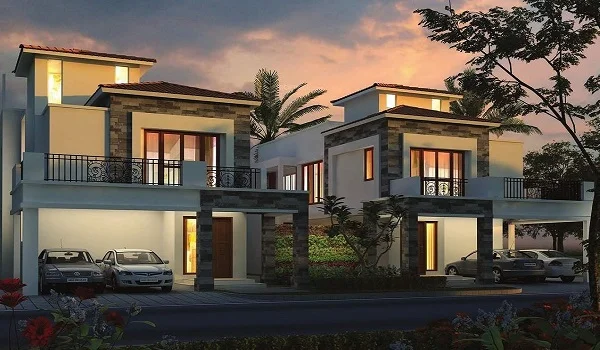

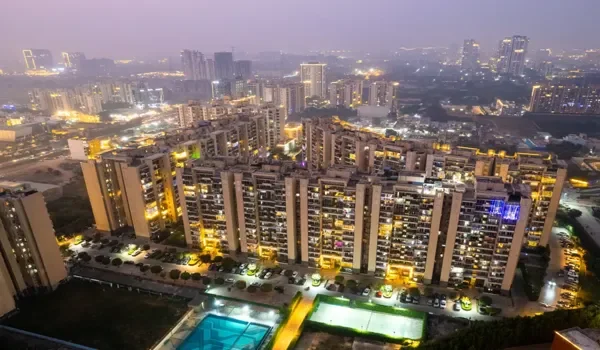
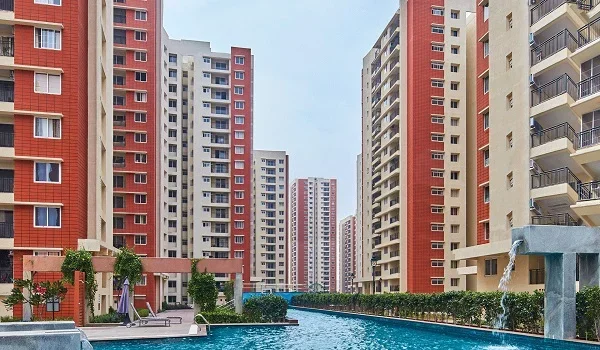
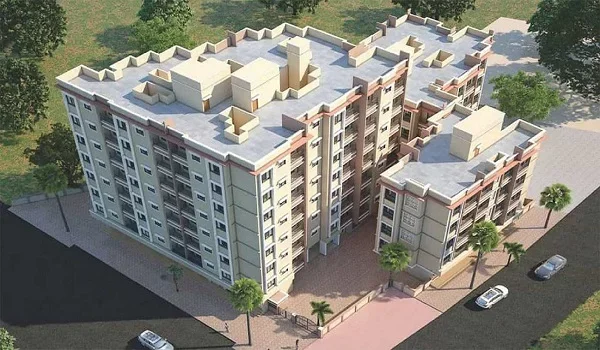
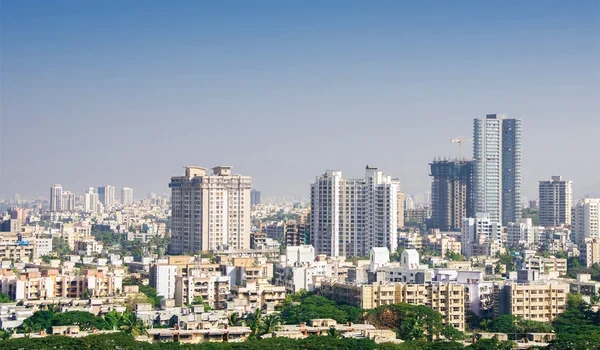
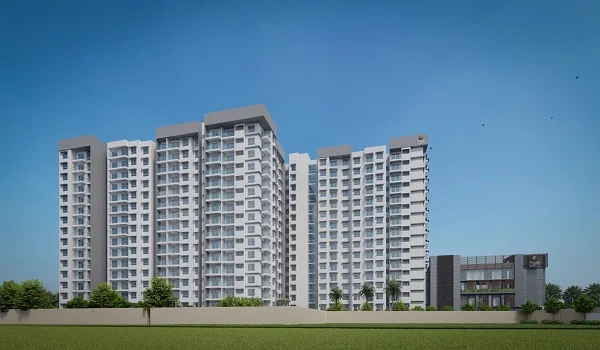
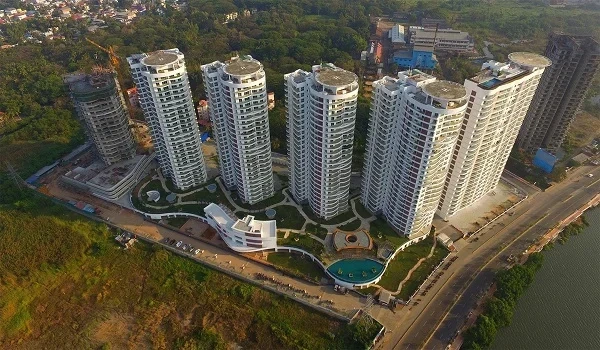
Farmland gave way to homes, shops, schools and apartment projects. Kadugodi became a key housing area for people working in Whitefield and ITPL. Kadugodi Main Road, Hope Farm Junction and Whitefield–Hoskote Road became busy routes. The locality now forms part of Bengaluru Urban district and uses PIN 560067.

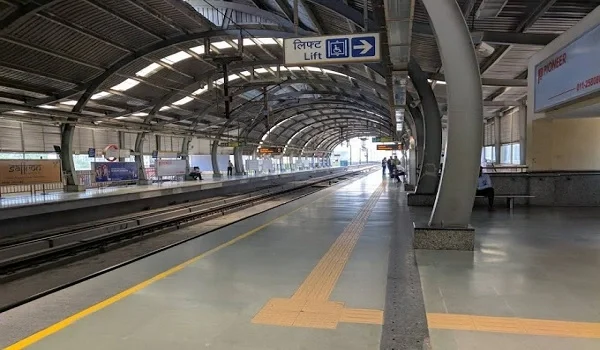
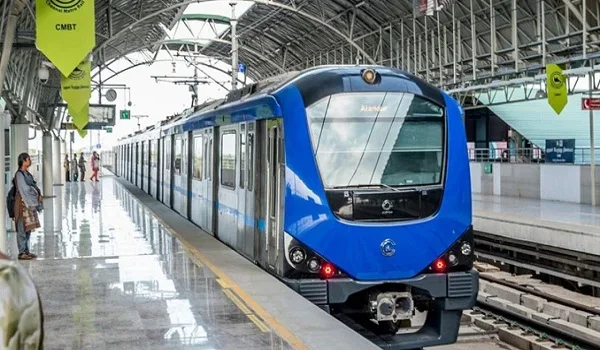
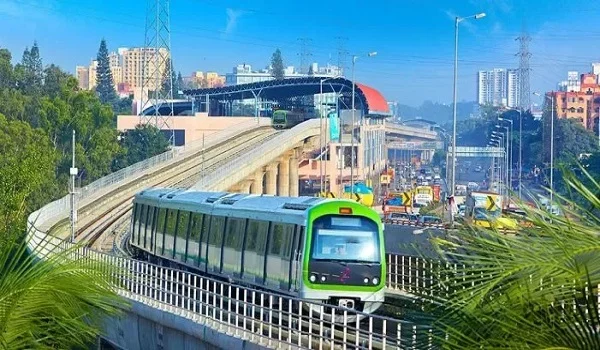
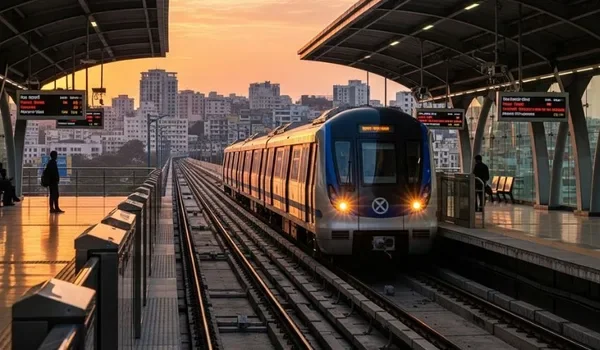
Public transport changed the area again in 2023. Whitefield (Kadugodi) Metro Station opened to the public on 26 March. Kadugodi Tree Park and Hopefarm Channasandra stations also improved access. Kadugodi had moved from an old rail village to a Metro-linked city suburb.

How Kadugodi’s Growth Reached Hoskote Road


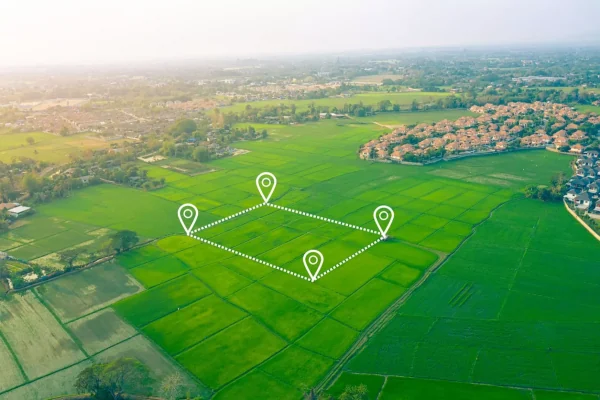
New development is moving east from Kadugodi towards Seegehalli, Kannamangala and Hoskote. This stretch offers access to Whitefield jobs and more land for large housing projects. Whitefield–Hoskote Road has therefore become part of Kadugodi’s latest growth phase.

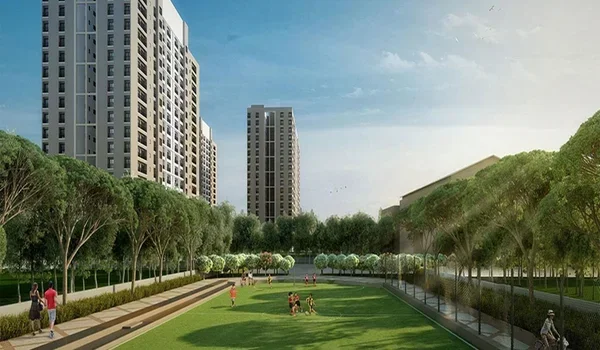
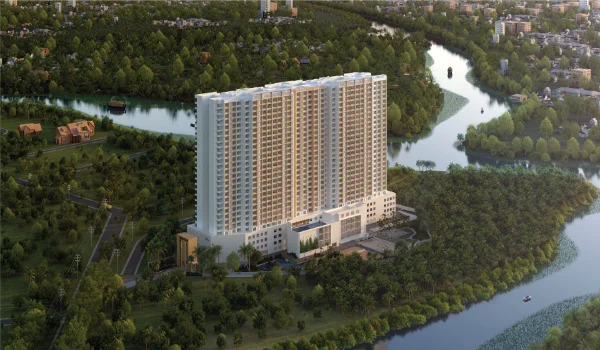
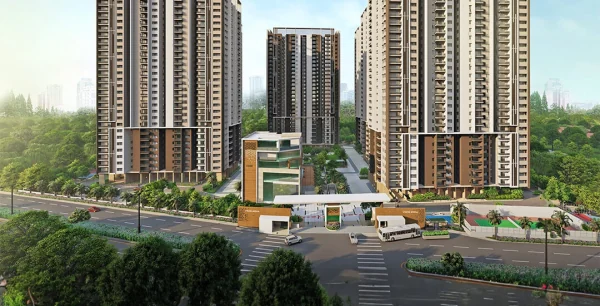
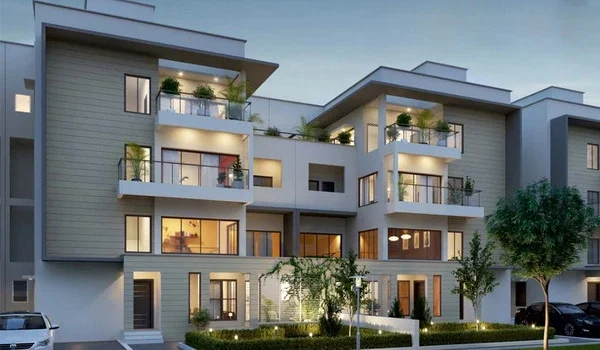
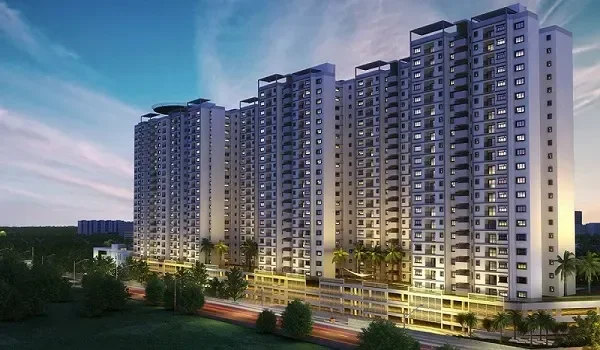
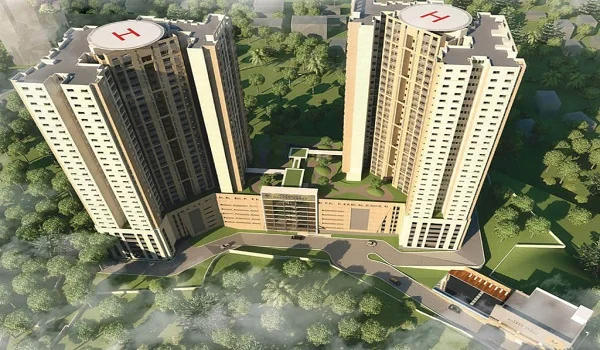
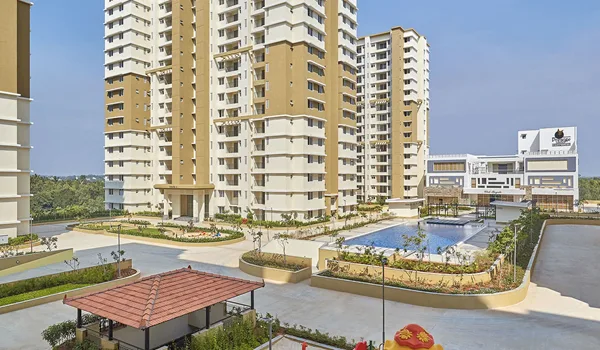
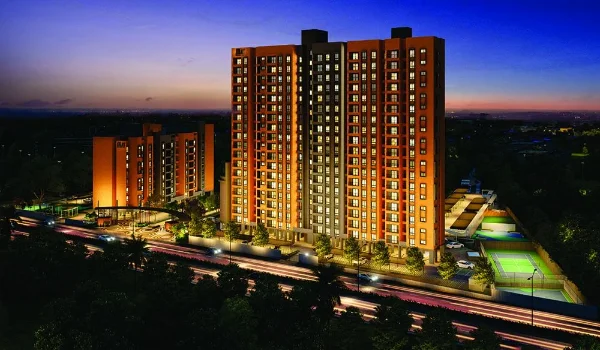
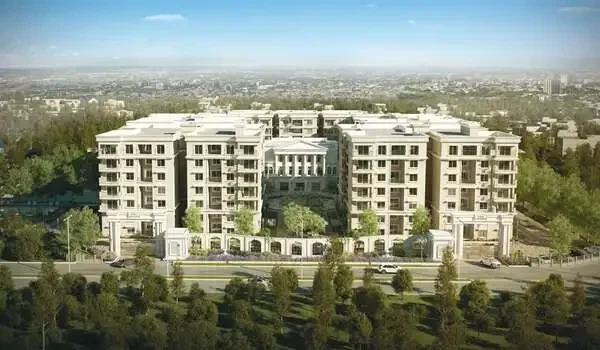
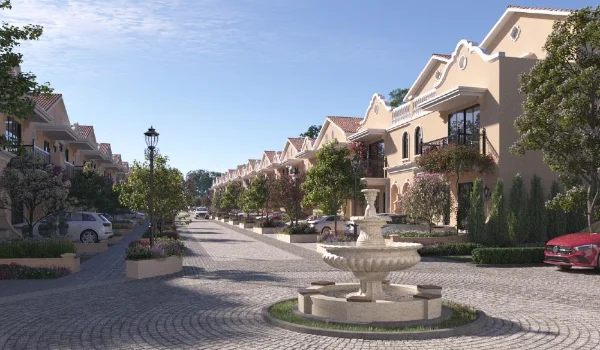
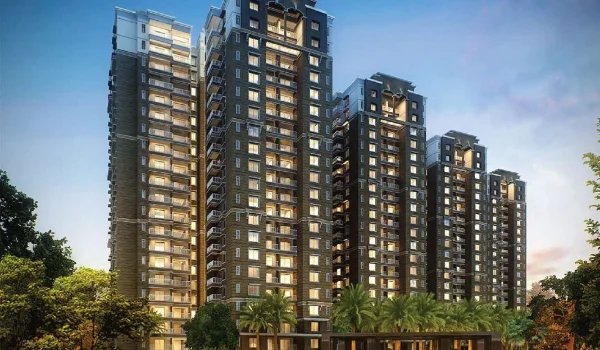
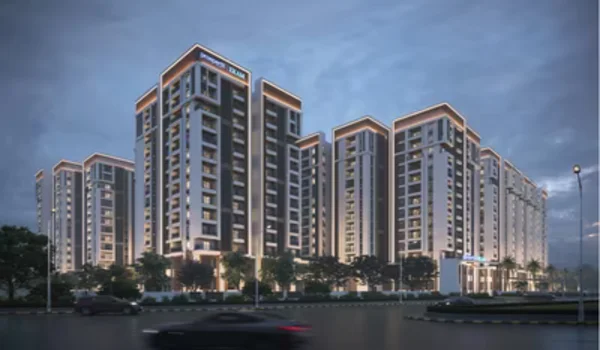
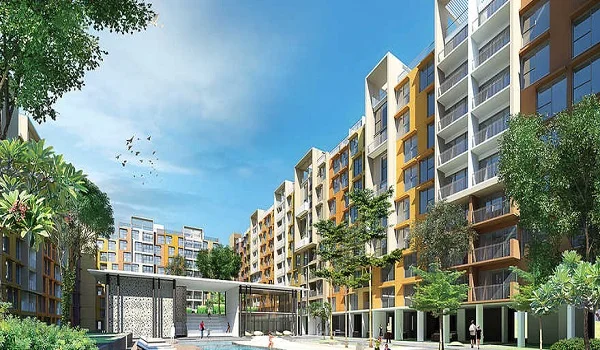
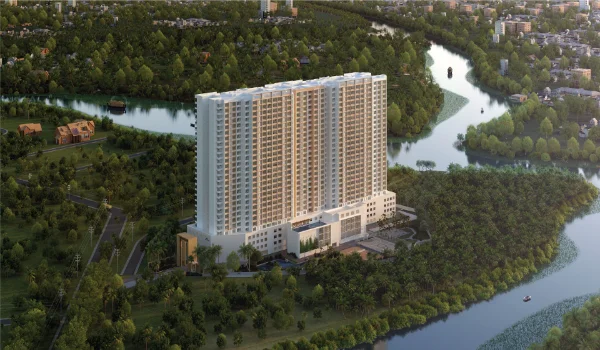
Brigade Granada is planned within this newer belt at Seegehalli–Sannatammanahalli. The proposed 40-plus-acre township is off Whitefield–Hoskote Road. It is about 6.1 km from Whitefield Railway Station and 8.4 km from Whitefield (Kadugodi) Metro Station. Its location shows how housing growth has moved beyond old Kadugodi towards East Bengaluru.

Brigade Granada is still an upcoming project. Its final address, plans, price and launch details must be checked after Karnataka RERA approval. It should not be presented as part of the historic Kadugodi village.

Kadugodi’s History Today


Kadugodi is now known for apartments, Metro stations and its link with Whitefield. However, its history began long before Bengaluru’s IT growth. Chola inscriptions, old temples, Pattandur Lake and village streets show its early roots. The railway, Brindavan Ashram and Metro mark later stages of change.

Kadugodi’s story is the move from a forest temple settlement to a modern city suburb. Its old name, religious sites and village streets still keep part of that past alive.

Brigade Granada Blog


Enquiry
Enquire Now