How Maintenance Works in Township Communities
Featured Image of How Maintenance Works in Township Communities


Maintenance in township communities is how shared spaces and services are run after people move in. Each owner pays a common area maintenance charge, known as CAM. It covers guards, cleaning, lifts, common power, roads, gardens, water plants and repairs. The builder’s team often handles this work first. The owners’ association takes control later. It may hire a company to run the site.

A township bill can have more than one part. Owners may pay for their tower and the wider site. They also pay for water or power used by their own flat. The bill may include a fund for large repairs and tax where it applies. A vacant flat usually still attracts CAM. Lifts, guards, pumps and roads remain in use.
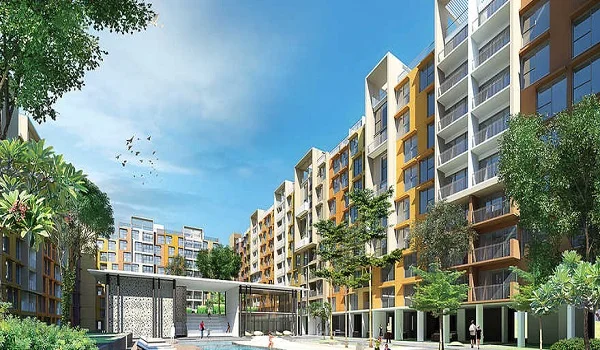
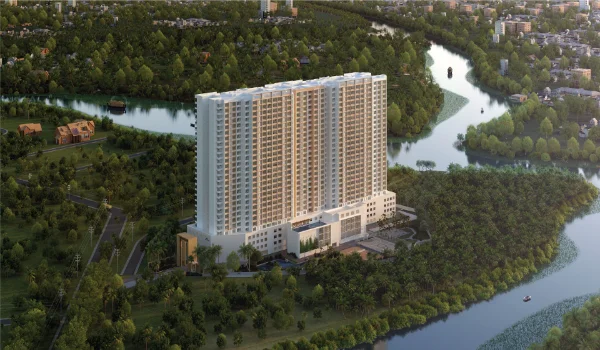
Township Maintenance Process


This work often moves through four stages. The dates and duties must match the sale papers and association rules.

Stage Who normally manages it? What the owner should receive
Before possession Builder or site team Cost sheet, advance charge and service list
Early occupancy Builder or hired company Bills, service details and complaint system
Handover period Builder and owners’ group Accounts, contracts, plans, warranties and asset list
Resident control Owners’ group or hired company Budget, bills, audit and yearly reports

Under RERA, the promoter must provide key services at a reasonable charge until the owners’ group takes over. The promoter must also help form this group. Plans and key records for common areas must be handed over as required by law.

What Do Township Maintenance Charges Cover?


A large township has more land, staff and equipment than one apartment block. The final bill depends on the services in use. It also depends on how many homes share the cost.
Maintenance Head Common Items Covered
Security Guards, CCTV room, gates and visitor system
Housekeeping Lobbies, lifts, stairs, basements and common toilets
Common power Streetlights, lift power, pumps and clubhouse areas
Water systems Pumps, tanks, treatment plant and water testing
Waste systems Waste collection, sorting and sewage treatment
Landscape Lawns, trees, parks, play areas and irrigation
Repairs Lifts, pumps, fire systems, roads and shared equipment
Staff and management Technicians, supervisors, help desk and office work
Safety and insurance Insurance, licences, tests and fire checks

Power, gas and water used inside a flat may be billed apart. Classes, guest rooms, party halls and some sports may also have user fees. Ask for a written list of what CAM covers.

How Are Maintenance Charges Calculated?


A township may charge by flat size, use the same rate for each home or use both methods. Some shared costs may be split equally. Other costs may be linked to the size of the home. Water, power and paid areas can be billed by actual use.
The sale deed, legal declaration and association rules should state the method. Do not assume that every site uses saleable area. Ask if the rate applies to carpet area, built-up area or some other measure.

For example, a CAM rate of ₹4 per sq. ft. on 1,500 sq. ft. gives a base bill of ₹6,000 per month. Tax and personal use may cost extra. This is only an example, not a standard rate.

Tower, Phase and Township-Level Charges


A large site may have three cost levels. Tower costs cover lifts, lobbies and local equipment. Phase costs are shared by a group of towers. Township costs cover main roads, gates, parks, central plants and staff.

This split matters when a project is built in phases. Every planned amenity may not open with the first homes. Ask what will work in the first phase. Check who pays for short-term systems, unsold homes and areas still being built.

Advance Maintenance, Corpus and Sinking Fund


Advance maintenance pays for normal work after possession. It may cover 6, 12 or more months. The papers should show the period, start date and rate. They should also explain how it will be set against later bills.

A corpus or reserve fund is kept for long-term needs. A sinking fund pays for large future work. This can include new lifts, wall paint, road repair or plant upgrades. These funds are not the same as monthly CAM. Ask who holds the money and how it will move to the owners’ group.

Is GST Charged on Township Maintenance?


GST depends on the bill and the yearly income of the residents’ group. Current CBIC guidance sets two tests. The monthly charge must be more than ₹7,500 per member. The group’s yearly turnover from goods and services must also be ₹20 lakh or more.

The ₹7,500 test applies to each flat. Other payments may have a different tax rule. Check the invoice and seek tax advice when the bill is unclear.

Who Pays Maintenance for a Vacant or Rented Flat?


The owner normally remains liable for CAM even when the flat is locked. Shared services stay open for the whole site. A rent agreement can ask the tenant to pay the bill. However, the owner remains at risk when dues are not paid.

Metered power, water and paid use should fall when a home is empty. Ask the site team to split fixed costs from actual use.
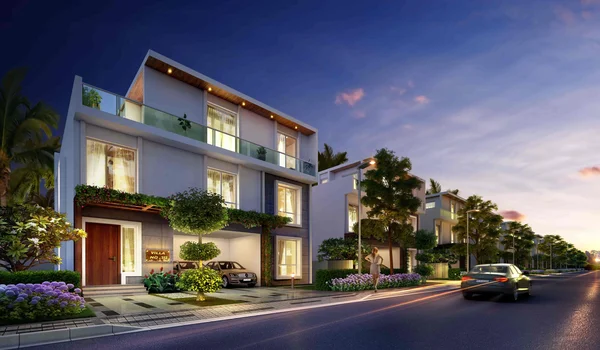
Maintenance at Brigade Granada


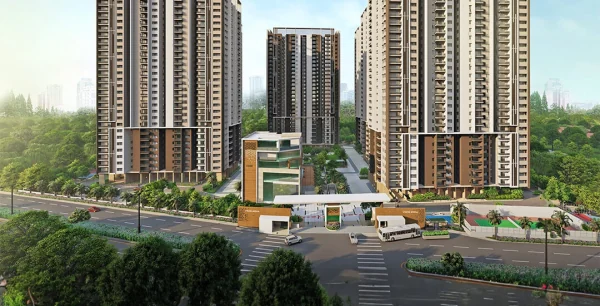
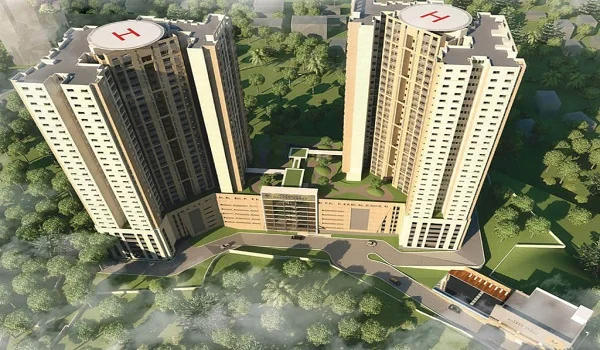
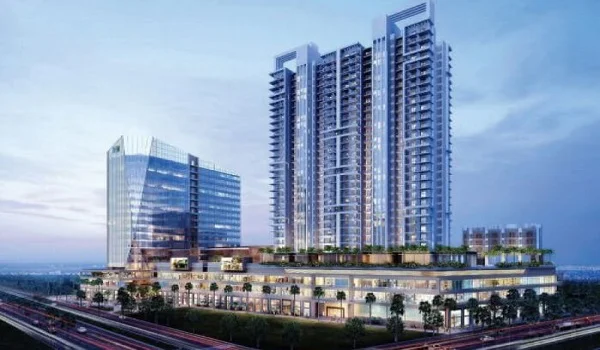
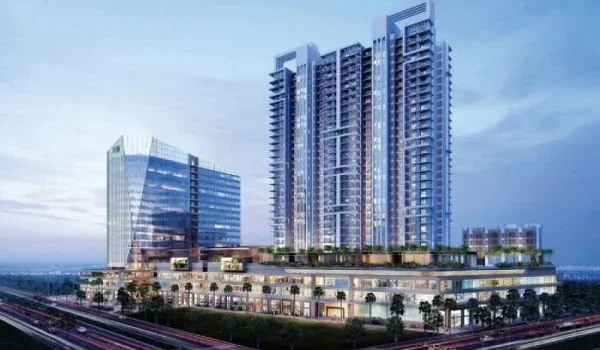
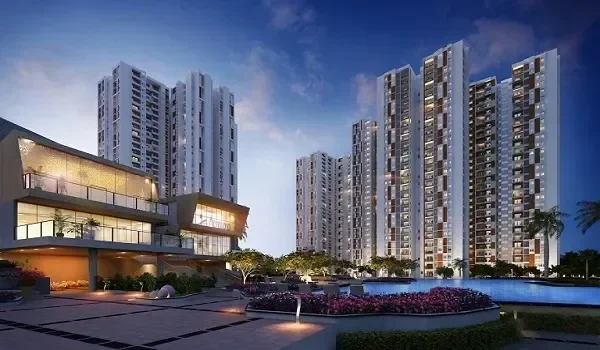
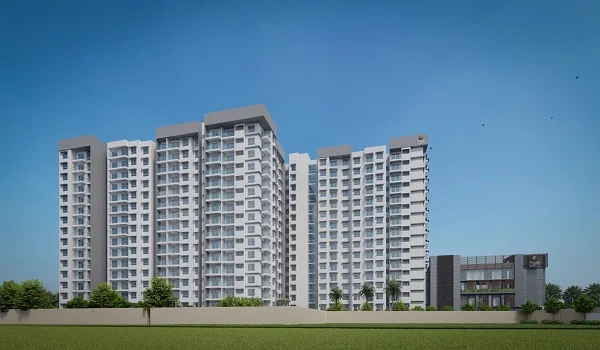
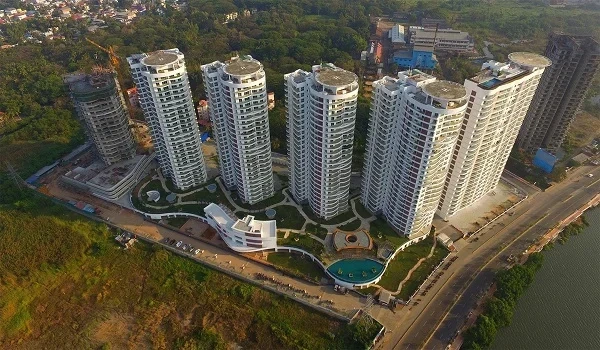
Brigade Granada is planned as a 40-plus-acre mixed-use township at Seegehalli–Sannatammanahalli, off Whitefield–Hoskote Road. A site of this scale may need tower, home and wider township charges. The planned office, hotel and retail parts will need a clear cost split. Homebuyers should pay only the share stated in their legal papers.

The project is still upcoming. Its final CAM rate, area, advance period and handover process are not confirmed. Check them in the Karnataka RERA record, cost sheet and sale papers after launch. Do not treat an early verbal rate as a fixed lifetime charge.
Maintenance Questions to Ask Before Booking


  • What is the CAM rate, and which area is used?
  • When does billing start: possession offer, key handover or move-in?
  • Which services are included in the base rate?
  • Are clubhouse, water, power and waste charges separate?
  • How much advance CAM, corpus or sinking fund is collected?
  • Who pays for unsold units and areas under construction?
  • How are tower, phase and township costs divided?
  • When will accounts and control move to the owners’ association?

Maintenance in township communities keeps shared roads, lifts, parks, guards and water plants running. Owners may pay tower, phase, township and use-based charges. The builder runs the system first. The owners’ group takes over later. Read the cost sheet and sale papers so the rate, area, tax and handover process are clear before booking.
Brigade Granada Blog


Enquiry
Enquire Now