History of Kadugodi

Featured Image of History of Kadugodi


The history of Kadugodi dates back at least to 1030 CE. An inscription from the rule of Chola king Rajendra Chola I gives the earliest clear proof of the settlement. The village grew around the old Kashi Vishweshwar Temple and nearby water sources. Its name comes from “kadu,” meaning forest, and “gudi,” meaning temple. Kadugodi therefore means a temple in the forest.

Kadugodi later grew from a farming village into a key part of East Bengaluru. The railway brought more people to the area. Brindavan Ashram opened nearby in 1960. Whitefield’s IT growth changed the wider belt from the 1990s. Whitefield Kadugodi Metro Station opened on 25 March 2023 and marked the latest stage of this long change.

Origin of the Name Kadugodi


Kadugodi was earlier written as Kadugudi or Kaadugudi. The common meaning comes from two Kannada words. “Kadu” means forest, while “gudi” means temple.

The name points to the old Shiva temple that once stood within a thick forest. A small village grew around this place of worship. Over time, Kadugudi became Kadugodi in speech and official use.

Some local accounts also use names such as Aranya Puri and Kadamangalam. However, the forest-temple meaning is the best-known origin of the present name.

Kadugodi During the Chola Period


The earliest known record of the village dates to 1030 CE. It belongs to the rule of Rajendra Chola I. This gives the area almost 1,000 years of recorded history.

The Cholas ruled parts of present-day Bengaluru after the Ganga period. They supported temples, tanks, wells and farm canals. These works helped villages grow around water and places of worship.

Kadugodi was one such settlement. Records show that the area had farms, temple land and an organised village life. It was also linked with nearby places such as Hoodi and Pattandur.

Kashi Vishweshwar Temple


The Kashi Vishweshwar Temple is the main historic site in Kadugodi. It is a Shiva temple linked to the Chola age. However, parts of its design look similar to the older Ganga style.

Temple records refer to the deity as Rajadhiraja Bhangisvaram. Another record speaks about temple work carried out by a Chola chief named Brahma Maarayan. These details show that the temple had both local and royal value.

The old Shiva Linga named in the records is no longer present. A Linga brought from Varanasi later replaced it. This is one reason the shrine is now called the Kashi Vishweshwar Temple.

The 1043 CE Kadugodi Inscription


Another Tamil inscription from the Chola period dates to about 1043 CE. It records work linked to Pattandur Lake. The record describes a lake with three sluice gates.

It also mentions shrines for Shiva, Durga, Ganesha and Kshetrapala. A Chola chief named Raja Raja Velan is linked with this work. The record shows that water storage and faith were both central to village life.

The lake and sluice system helped local farms. It also supported homes and cattle. The area’s early growth was therefore tied to planned water use, not only to its temple.

Kadugodi as an Old Farming Village


Kadugodi remained a farming village for many centuries. Fields, tanks, wells and local trade supported daily life. The Dakshina Pinakini river once flowed near the old temple.

Old street names give clues about village work. Kumbhara Beedi was linked with potters. Ganigara Beedi was linked with oil workers. Angadi Beedi served as the market street.

These names show that the village had separate work and trade areas. Farmers, craft workers, traders and temple families formed its early community.

Kadugodi Under Later Kingdoms


The village did not lose its place after Chola rule. A Hoysala-era record from 1342 refers to the area as Kadugodi Sthala. Other records mention land grants and temple support during later years.

The old settlement also had an Anjaneya Temple. Local shrines were built for Maramma and Ganga Parameshwari. Temple fairs and rathotsava events remained part of community life.

These places helped protect the village identity through changes in rule. Many can still be found in and around Old Kadugodi.

Kadugodi During British Rule


Road links improved during British rule. A bridge was built across the Dakshina Pinakini. Local people still call it the British Bridge.

The rail link brought a larger change. The station located near Kadugodi became known as Whitefield Railway Station. It connected the village with Bengaluru and the Chennai-side railway route.

The railway made travel and trade easier. More people began settling around the station and the nearby Whitefield area.

Kadugodi and the Origin of Whitefield


Whitefield began as an Anglo-Indian and Eurasian farming settlement in 1882. The Maharaja of Mysore granted land for it. The new settlement grew close to the much older village of Kadugodi.

Whitefield and Kadugodi later became closely linked. The railway station stood near Kadugodi but carried the Whitefield name. This is why the two names are often used together today.

Kadugodi is the older local settlement. Whitefield grew later as a planned colony. It then became one of Bengaluru’s main office and housing zones.

Brindavan Ashram and Kadugodi


Sri Sathya Sai Baba opened Brindavan Ashram on 25 June 1960. It was set on about 50 acres near Kadugodi village and Whitefield Railway Station.

The ashram brought visitors from India and other countries. A college campus, halls, homes and health services later grew around the Sai institutions.

This gave the area a new spiritual and social role. Kadugodi became known beyond Bengaluru long before the IT boom began.

Whitefield’s IT Growth Changed Kadugodi


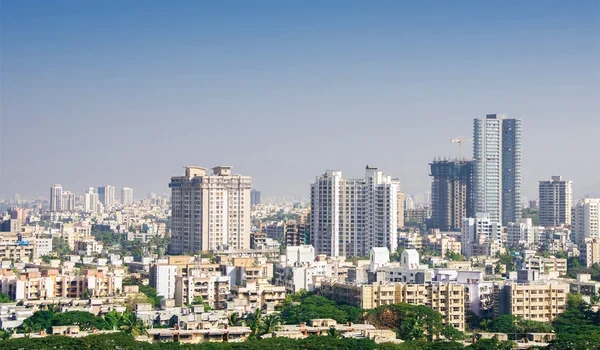
The wider Whitefield belt changed fast after large tech parks and offices opened. Farmland gave way to roads, apartments, shops and business zones.

Kadugodi became an eastern gateway to Whitefield. Hope Farm Junction, Whitefield Main Road and the railway station began carrying more daily traffic. New homes spread towards Seegehalli, Belathur, Channasandra and Hoskote Road.

This growth also brought pressure. Traffic, water demand and the loss of open land became major local issues. Old Kadugodi still keeps parts of its village form, but the surrounding area is now urban.

Whitefield Kadugodi Metro Station


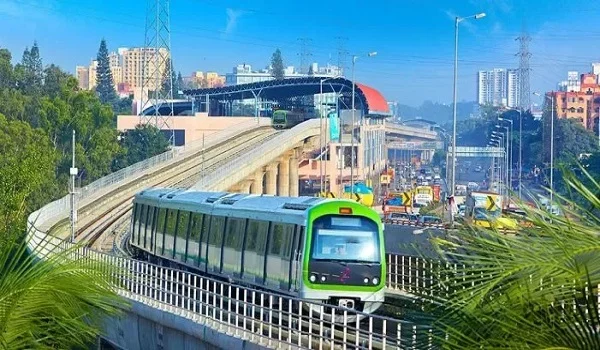
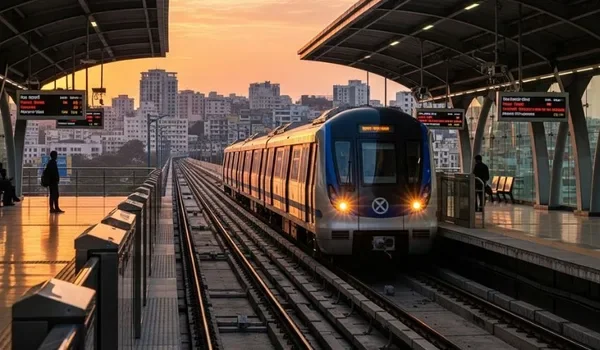
Whitefield Kadugodi Metro Station opened on 25 March 2023. It formed part of the 13.71 km Purple Line section from Whitefield Kadugodi to KR Puram. The new section was built at a cost of about ₹4,250 crore.

The Metro reduced the area’s dependence on road travel. It later gained a direct link towards central and western Bengaluru through the complete Purple Line.

The station name protects both local identities. “Whitefield” represents the larger office zone. “Kadugodi” marks the old village near the eastern end of the line.

Old Kadugodi and Modern Kadugodi


Old Kadugodi is centred around its temples, narrow streets and long-settled families. The Kashi Vishweshwar Temple remains the strongest link to its early past.

Modern Kadugodi has Metro access, rail links, bus routes, apartments and busy roads. It is now part of Bengaluru’s eastern urban edge.

Both parts exist together. A person can travel from a Chola-era temple area to a modern Metro station within the same locality.

How Kadugodi’s Growth Connects With Brigade Granada


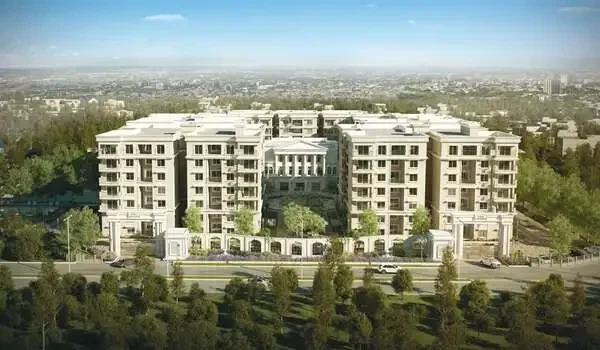
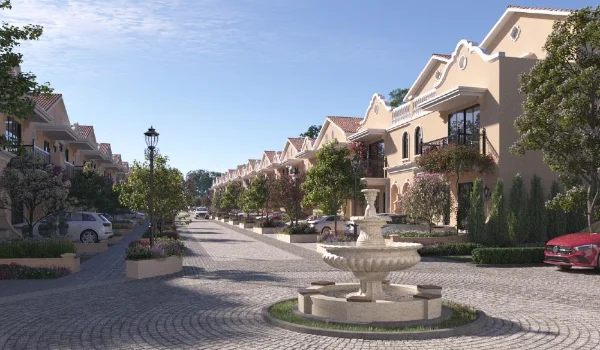
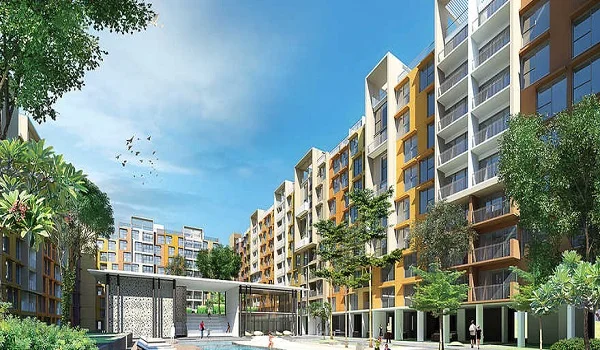
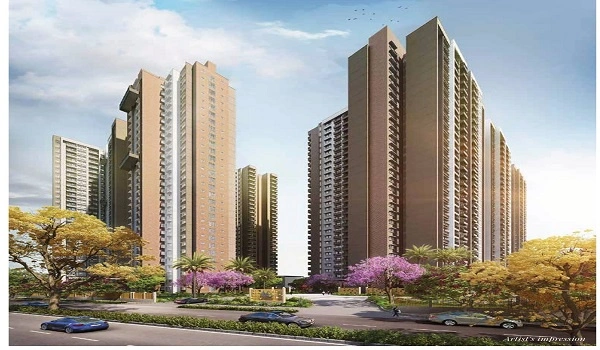
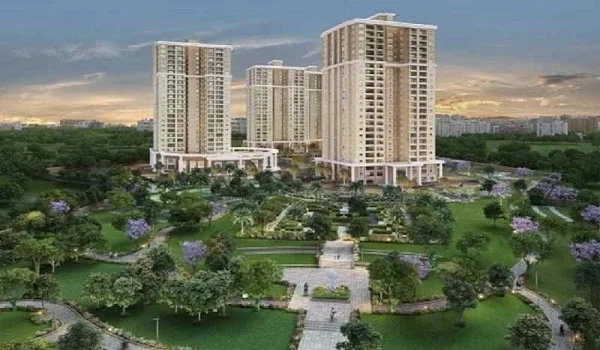
Brigade Granada is part of the newer growth beyond Kadugodi towards Whitefield–Hoskote Road. It is planned on Whitefield–Kadugodi Main Road in the Sannatammanahalli–Kattamanallur belt. It is not inside Old Kadugodi.

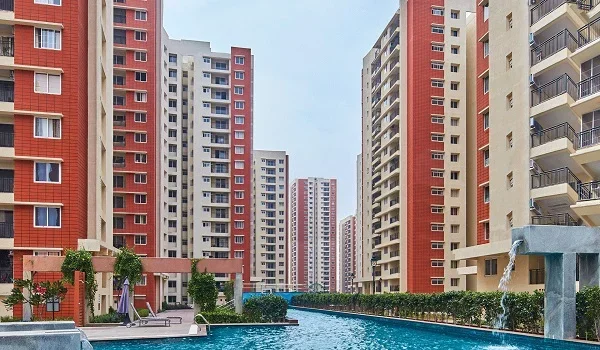
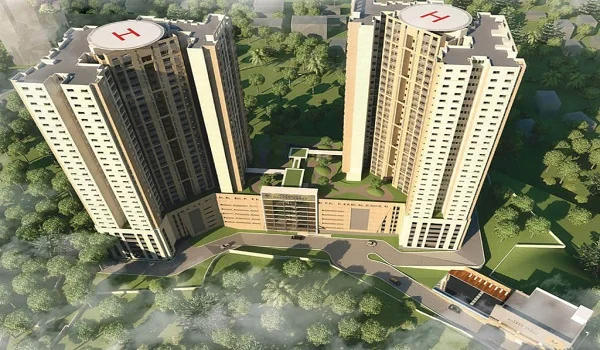
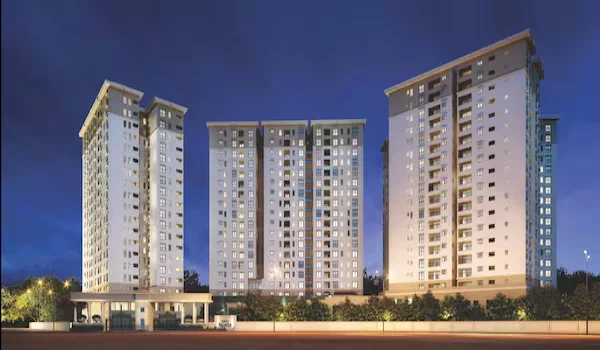
The project is planned as a 40-acre mixed-use township. It has about 2,000 apartments across 14 high-rise towers. Buyers can choose 1, 2, 3 and 4 BHK homes from about 600 to 2,800 sq. ft. The current guide rate is around ₹14,000 per sq. ft.

Brigade Granada is about 750 metres from NH-75. Whitefield Railway Station is around 6.1 km away. Whitefield Kadugodi Metro Station is about 8.4 km from the site.

The township also plans offices, shops, a hotel, hospital and school. These features show how new growth is moving east from Whitefield and Kadugodi towards Hoskote Road.

Kadugodi’s rail, Metro and road links support this housing belt. Yet Brigade Granada represents modern township growth. Old Kadugodi holds the area’s Chola, village and temple history.

Why Kadugodi’s History Still Matters


Kadugodi is often described only as part of Whitefield. Its history shows that the village existed many centuries before the Whitefield colony and modern IT parks.

The old temple, stone records and water systems show a planned village. The railway, ashram, IT growth and Metro then shaped four later stages of change.
Protecting the old sites helps keep this history visible. New growth should not erase the temples, streets, stone records and water links that gave the area its identity.

FAQs


1. How old is Kadugodi?

Kadugodi has written evidence dating to 1030 CE. This gives it almost 1,000 years of recorded history.

2. What does Kadugodi mean?

The name comes from “kadu,” meaning forest, and “gudi,” meaning temple. It means a temple in the forest.

3. Which is the oldest historic place in Kadugodi?

The Kashi Vishweshwar Temple is the main old site. It is linked to the Chola period and has signs of older Ganga-style design.

4. Is Kadugodi older than Whitefield?

Yes. Kadugodi has written records from the 11th century. Whitefield began as a planned settlement in 1882.

5. When did Whitefield Kadugodi Metro Station open?

The station opened on 25 March 2023 as part of the Purple Line extension to KR Puram.

6. Is Brigade Granada located in Old Kadugodi?

No. It is on Whitefield–Kadugodi Main Road in the Sannatammanahalli–Kattamanallur belt. It connects with Kadugodi through road, rail and Metro access.

Brigade Granada Blog


Enquiry
Enquire Now